



Krypto offline zu speichern bedeutet, deine privaten Schlüssel auf einem Gerät oder Medium aufzubewahren, das niemals mit dem Internet verbunden ist. Private Schlüssel sind die geheimen Codes, mit denen jemand deine Guthaben bewegen kann. Wenn du sie offline aufbewahrst, bleiben sie außer Reichweite. Diese Einrichtung wird als Cold Storage bezeichnet. Das Prinzip ist einfach: Ein Angreifer kann nur Schlüssel erreichen, die erreichbar sind – offline aufbewahrte Schlüssel sind es nicht. Die beiden wichtigsten Möglichkeiten sind eine Hardware-Cold-Wallet und ein langlebiges Offline-Backup deiner Wiederherstellungsphrase.
Die wichtigsten Erkenntnisse
- Cold Storage hält deine privaten Schlüssel vom Internet fern und beseitigt dadurch die Angriffsfläche für Fernangriffe.
- Deine Coins bleiben auf der Blockchain. Du speicherst die Schlüssel offline, das Gerät signiert offline, und nur die Signatur geht online.
- Die beiden wichtigsten Methoden sind eine Hardware-Cold-Wallet und ein langlebiges Offline-Backup deiner Wiederherstellungsphrase.
- So richtest du es ein: Erzeuge die Schlüssel offline, sichere die Phrase auf separat aufbewahrtem Steel, teste zunächst mit einem kleinen Betrag und übertrage dann den Rest.
- Keine Methode beseitigt jedes Risiko. Offline-Schlüssel plus ein langlebiges, privates Backup decken die realistischen Risiken ab.
Was bedeutet „Krypto offline speichern“?
Deine Coins werden nicht tatsächlich offline bewegt. Sie befinden sich auf der Blockchain. Was du offline speicherst, sind die privaten Schlüssel, die beweisen, dass sie dir gehören. Ein privater Schlüssel ist die geheime Zahl, mit der Transaktionen signiert werden. Wer ihn besitzt, kontrolliert die Coins. Krypto offline zu speichern bedeutet, dass diese Schlüssel auf etwas erzeugt und aufbewahrt werden, das niemals mit dem Internet verbunden ist. So können Remote-Malware oder Phishing sie nicht auslesen. Das Gegenteil ist Hot Storage, bei dem die Schlüssel auf einem mit dem Internet verbundenen Smartphone, Computer oder einer Börse liegen.
Warum sollte man Krypto offline speichern?
Die meisten Kryptoverluste durch Angreifer aus der Ferne lassen sich auf einen privaten Schlüssel zurückführen, der online erreichbar war. Ein Offline-Schlüssel beseitigt diese Angriffsfläche. Dadurch werden deine Coins nicht unhackbar. Die Angriffsfläche wird jedoch so stark verkleinert, dass die realistischen Bedrohungen physischer Natur sind, etwa der Verlust des Geräts oder des Backups. Dagegen kannst du dich mit einer guten Kopie absichern.
Wie funktioniert Offline- (Cold-) Storage?
Ein Cold-Storage-Gerät erzeugt deinen privaten Schlüssel offline und gibt ihn niemals an ein verbundenes Gerät weiter. Wenn du Guthaben senden möchtest, wird die unsignierte Transaktion auf das Gerät übertragen. Das Gerät signiert sie offline, und nur die signierte Transaktion wird wieder online übertragen, um sie zu veröffentlichen. Der geheime Schlüssel verlässt die Offline-Umgebung niemals. Die Übergabe kann per QR-Code, durch kontaktloses Antippen oder über ein Kabel erfolgen – das Prinzip bleibt dasselbe. Der Schlüssel bleibt offline, und nur die Signatur wird übertragen.
Welche Möglichkeiten gibt es, Krypto offline zu speichern?
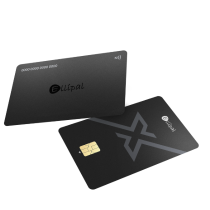
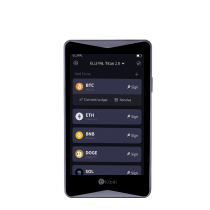
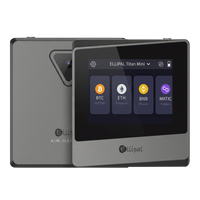
Eine Hardware-Wallet ist ein spezielles Offline-Gerät, das deine Schlüssel aufbewahrt und Transaktionen signiert. ELLIPAL bietet zwei Modelle an. Titan 2.0 ist eine Cold-Wallet mit Air-Gap – ohne Bluetooth, WLAN, USB oder eine andere Netzwerkverbindung. Sie signiert ausschließlich durch das Scannen von QR-Codes, sodass die Schlüssel vollständig offline bleiben. X Card ist eine NFC-Karten-Wallet, die per Antippen signiert. (NFC steht für Near-Field Communication und bezeichnet die kontaktlose Technologie, die auch von Zahlungskarten verwendet wird.) Beide halten deine Schlüssel offline und verwenden den offenen BIP39-Standard. Auch ein Backup der Wiederherstellungsphrase ist eine Form von Cold Storage: 12 bis 24 Wörter, die auf etwas Langlebiges geschrieben und offline aufbewahrt werden. Eine Papier-Wallet funktioniert grundsätzlich, ist aber empfindlich. Daher bevorzugen die meisten Menschen ein Hardware-Gerät plus ein langlebiges Backup der Phrase.
Wie richtet man Offline-Speicher Schritt für Schritt ein?
Besorge dir zunächst ein Cold-Storage-Gerät und richte es offline ein, damit die Schlüssel direkt auf dem Gerät erzeugt werden. Schreibe als Nächstes die Wiederherstellungsphrase auf und bewahre diese Kopie auf etwas Langlebigem auf. Steel hält länger als Papier, und du solltest die Phrase getrennt vom Gerät aufbewahren. Sende anschließend einen kleinen Testbetrag und bestätige, dass er angekommen ist. Übertrage danach den Rest. Am wichtigsten ist der Schutz der Phrase. Bewahre sie offline auf, fotografiere sie niemals, gib sie niemals auf einer Website ein und teile sie niemals mit anderen.
Hot-Wallet vs. Cold Storage: Was solltest du verwenden?
In den seltensten Fällen musst du dich für das eine oder das andere entscheiden. Eine Hot-Wallet ist schnell und kostenlos und eignet sich für kleinere Beträge, die du häufig verwendest. Cold Storage ist für Ersparnisse gedacht, die du nicht auf einem mit dem Internet verbundenen Gerät aufbewahren möchtest. Viele Menschen halten ein kleines Guthaben zum Ausgeben in einer Hot-Wallet und den Großteil in Cold Storage.
Ist Offline-Speicher für Anfänger sicher?
Ja, und die Einrichtung ist einfacher geworden. Eine moderne Cold-Wallet ist in wenigen Minuten eingerichtet und führt dich durch die Erzeugung der Schlüssel sowie die Sicherung der Phrase. Die Lernkurve beschränkt sich größtenteils auf die einmalige Einrichtung. Danach musst du zum Empfangen lediglich eine Adresse teilen. Die wichtigste Verantwortung – die Wiederherstellungsphrase zu schützen – ist bei jeder Self-Custody-Wallet dieselbe.
FAQ
Was ist die sicherste Methode, Krypto offline zu speichern? Bewahre die privaten Schlüssel auf einem speziellen Offline-Gerät auf und sichere die Wiederherstellungsphrase auf etwas Langlebigem, das separat aufbewahrt wird. Keine Methode beseitigt jedes Risiko, aber Offline-Schlüssel plus ein langlebiges, privates Backup decken die realistischen Risiken ab.
Kann Krypto vollständig offline gespeichert werden? Ja. Die Schlüssel liegen offline auf einem Cold-Gerät oder in einem schriftlichen Backup. Nur signierte Transaktionen gehen online, wenn du eine Transaktion senden möchtest.
Ist Cold Storage besser, als Krypto auf einer Börse aufzubewahren? Für langfristige Bestände beseitigt die Offline-Self-Custody das Gegenparteirisiko und das Risiko einer Online-Exposition. Eine Börse ist für den Handel praktisch, verwahrt die Schlüssel jedoch für dich. Viele Menschen nutzen beides.
Benötige ich eine Hardware-Wallet, um Krypto offline zu speichern? Sie ist die praktischste Möglichkeit, aber auch ein sicher aufbewahrtes Backup der Wiederherstellungsphrase ist offline.
Was passiert, wenn ich meine Offline-Wallet verliere? Wenn du das Backup der Wiederherstellungsphrase aufbewahrt hast, kannst du die Wallet auf einem neuen Gerät wiederherstellen. Wenn du sowohl das Gerät als auch das Backup verlierst, können die Guthaben normalerweise nicht wiederhergestellt werden.
Bereit, deine Krypto offline zu nehmen? ELLIPAL's Cold Storage hält deine Schlüssel vom Internet fern. Wähle Titan 2.0 mit Air-Gap für vollständig offline erfolgende QR-Signaturen oder X Card für das Signieren per Antippen. Besitze sie. Nutze sie.