
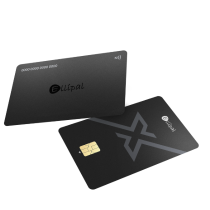



Wichtigste Erkenntnis: Die ELLIPAL X Card ist die beste Cold-Wallet im Kartenformat für 2026, da sie die beiden Komponenten entfernt, die die andere Karte auf dem Markt komplizierter machen: das Bluetooth-Funkmodul und den Akku. Die X Card signiert per NFC-Tipp, einer passiven Verbindung, die nur für die Dauer des Tippens besteht, und sie hat überhaupt keinen Akku – es gibt also nichts zu laden und nichts, das altern kann. CoolWallet setzt auf die entgegengesetzte Konstruktion: eine Karte mit integriertem Akku, die sich per Bluetooth mit dem Smartphone koppelt – ein dauerhaft verfügbares Funkmodul mit einer öffentlich bekannten Schwachstellenhistorie. Beide Karten verwenden zertifizierte sichere Elemente. Die Entscheidung hängt daher von der Architektur rund um den Chip ab, und genau darum geht es in diesem Leitfaden.
Kurzübersicht
| Begriff | Was es bedeutet |
|---|---|
| NFC-Tipp zum Signieren | Eine passive kontaktlose Verbindung, die vom Smartphone mit Strom versorgt und nur im Moment des Tippens aktiviert wird |
| Bluetooth-Kopplung | Eine dauerhafte drahtlose Verbindung, die aktiv bleibt, solange Wallet und Smartphone gekoppelt sind |
| Sicheres Element | Ein zertifizierter Chip, der Schlüssel isoliert speichert und Transaktionen signiert; CC EAL6+ ist die Sicherheitsstufe, die in Reisepässen verwendet wird |
| Akkufreies Design | Die Karte bezieht während des Tippens Strom vom Smartphone und hat daher keinen Akku, der geladen, ausgetauscht oder abgenutzt werden muss |
| BIP39 | Das branchenübliche Seed-Phrase-Format; mit denselben Wörtern lässt sich Ihre Wallet bei jeder kompatiblen Marke wiederherstellen |
Zwei Karten, zwei Philosophien
Sowohl die ELLIPAL X Card als auch CoolWallet beantworteten dieselbe Frage: Was wäre, wenn Cold Storage die Form der Karten hätte, die Menschen ohnehin mit sich führen? Die Gemeinsamkeit endet bei der Form.
Die ELLIPAL X Card ist eine passive Karte. Sie hat keinen Akku, keinen Ladeanschluss und kein eigenes Funkmodul. Während des Tippens versorgt das NFC-Feld des Smartphones die Karte mit Strom, das sichere CC EAL6+-Element signiert die Transaktion hinter einer PIN, und anschließend wird die Karte wieder inaktiv. Es muss keine Kopplung aufrechterhalten werden, man muss nicht auf den Ladestand achten, und kein Bauteil verschleißt bei der Aufbewahrung im Schrank. Eine Karte, die Sie heute einrichten und in eine Schublade legen, signiert auch Jahre später noch genauso zuverlässig.
CoolWallet ist eine aktive Karte. Sie verfügt über einen integrierten Akku, ein kleines Display und ein Bluetooth-Funkmodul, das sich mit der Smartphone-App koppelt. Diese Konstruktion ermöglicht ein Display auf der Karte, bringt aber drei laufende Abhängigkeiten mit sich: einen Akku, der geladen werden muss und wie jeder Akku mit der Zeit altert; eine Bluetooth-Verbindung, die während der Kopplung als dauerhaft verfügbare drahtlose Angriffsfläche besteht und deren Protokoll eine öffentlich bekannte Schwachstellenhistorie aufweist (BlueBorne, KNOB, BLURtooth); sowie eine Laderoutine für ein Objekt, das eigentlich einfach im Portemonnaie vergessen werden soll, bis es gebraucht wird.
ELLIPAL X Card vs. CoolWallet auf einen Blick
| Abmessungen | ELLIPAL X Card | CoolWallet |
|---|---|---|
| Verbindung | NFC-Tipp, passiv, nur während des Tippens aktiv | Bluetooth, dauerhaft aktiv, solange gekoppelt |
| Stromversorgung | Akkufrei, mit Strom aus dem NFC-Feld des Telefons versorgt | Integrierter Akku, muss aufgeladen werden |
| Alternde Komponente | Keine | Die Akkukapazität nimmt mit der Zeit und den Ladezyklen ab |
| Seed-Erzeugung | Offline auf dem speziellen X Card Starter | Über den Kopplungsablauf von Gerät und App |
| Multi-Karten-Einrichtung | Bis zu 10 Karten pro Charge, jeweils mit einer unabhängigen PIN | Einzelkartenmodell |
| Tresor-Kopplung in derselben App | Ja, der ELLIPAL Titan 2.0 läuft in derselben ELLIPAL App | Kein Begleitgerät für den Tresor |
| Wiederherstellungsstandard | BIP39/44 | BIP39-kompatibel |
| Erfolgsbilanz | ELLIPAL, Cold Storage seit 2018, mehr als 1 Million Nutzer in über 140 Ländern | CoolBitX, Hersteller aus Taiwan |
Die Bluetooth-Frage, schon wieder
Das wiederkehrende Thema bei der Sicherheit von Hardware-Wallets in den 2020er-Jahren ist die Verbindungsfläche. Bluetooth ist ein wirklich nützliches Protokoll, aber auch ein dauerhaft aktives: Solange die Wallet gekoppelt ist, ist das Funkmodul aktiv, unabhängig davon, ob Sie gerade Transaktionen durchführen. Die öffentlich bekannte Schwachstellenhistorie des Protokolls wird von Anbieter zu Anbieter und von Stack zu Stack gepatcht, doch die Angriffsfläche bleibt bestehen, solange das Funkmodul aktiv ist. NFC hat einen anderen Weg eingeschlagen. Das Funkmodul der ELLIPAL X Card ist passiv und wird extern mit Strom versorgt, seine effektive Reichweite beträgt etwa 4 cm, und es besteht als Verbindung ungefähr für die eine Sekunde, die das Antippen dauert. Sie müssen diese Angriffsfläche nicht verwalten, denn außerhalb des Antippens existiert sie nicht. Den vollständigen Architekturüberblick finden Sie unter Ist NFC sicher für Krypto?
Die Akku-Frage, die niemand stellt, bis sie relevant wird
Ein Akku in einem Backup-Gerät ist ein Countdown. Akkus altern chemisch, unabhängig davon, ob sie verwendet werden oder nicht, und eine Karte, die jahrelang in einem Safe oder einer Wallet liegen soll, entspricht genau dem Nutzungsmuster, bei dem diese Schwachstelle zum Tragen kommt. Die ELLIPAL X Card umgeht das gesamte Thema: Kein Akku bedeutet keine Laderoutine, keinen Kapazitätsverlust und keinen Unterschied zwischen der Karte, die Sie gekauft haben, und der Karte, mit der Sie ein Jahrzehnt später Ihre Wallet wiederherstellen. Außerdem ist die Karte dadurch 1,2 mm dünn und wasserbeständig, da weder eine Zelle geschützt noch ein Anschluss abgedichtet werden muss.
Woher der Seed kommt
Die ELLIPAL X Card erzeugt ihre Seed-Phrase auf dem X Card Starter, einem speziellen Offline-Gerät ohne Netzwerk-Hardware. Die Phrase wird einmal auf dem Starter angezeigt, Sie schreiben sie auf, und es existiert niemals eine digitale Kopie. Diese Trennung – die Seed-Erzeugung auf Hardware, die keine Möglichkeit hat, online zu gehen – ist eine Sicherheitsdisziplin, die die meisten Karten-Wallets auslassen. Genau deshalb hält die Einrichtung der X Card einer genauen Prüfung stand und ist trotzdem in etwa 3 Minuten abgeschlossen. Die praktischen Details finden Sie in unserem X Card Test.
Über eine Karte hinaus: das Setup, das mitwächst
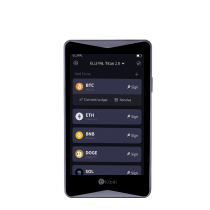
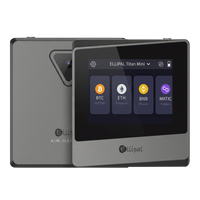
Das ELLIPAL X Card wird in Chargen von bis zu 10 Karten geliefert, wobei jede Karte über eine eigene unabhängige PIN verfügt. Diese eine Spezifikation deckt Situationen ab, die ein Produkt mit nur einer Karte nicht abdecken kann: eine Backup-Karte an einem zweiten Ort, eine Karte pro Familienmitglied oder eine Reisekarte, die im Hotelsafe bleibt. Wenn der Bestand über die täglich mitgeführte Menge hinauswächst, läuft auf derselben ELLIPAL App der Titan 2.0, der Air-Gap-Vault – so skaliert das Ökosystem ohne eine zweite App oder einen zweiten Seed-Standard. Titan schützt den Vault, das X Card begleitet dich.
Für welchen Anwendungsfall eignet sich die ELLIPAL X Card?
- „Ich möchte eine Karte, um die ich mich erst kümmern muss, wenn ich sie brauche.“ Ohne Akku ist das X Card immer einsatzbereit – ohne Aufladen und ohne nachlassende Leistung.
- „Ich möchte keine dauerhaft bestehende Bluetooth-Verbindung zu meinen Schlüsseln.“ Das NFC des X Card ist nur für die Sekunde des Antippens aktiv und sonst nicht.
- „Ich möchte, dass mein Seed nachweislich offline generiert wird.“ Der X Card Starter ist ein dediziertes Offline-Gerät; die Phrase existiert nur auf deinem schriftlichen Backup.
- „Ich brauche mehr als eine Karte.“ Bis zu 10 pro Charge, unabhängige PINs, ein Seed oder mehrere.
- „Ich möchte einen Entwicklungspfad zu einem Vault.“ Titan 2.0 läuft in derselben ELLIPAL App und basiert auf demselben BIP39-Standard.
FAQ
Ist die ELLIPAL X Card besser als CoolWallet?
Für die meisten Käufer einer Karten-Wallet: ja. Das X Card entfernt die Bluetooth-Funkverbindung und den Akku, die beiden fortlaufenden Abhängigkeiten im Design von CoolWallet, entspricht dabei dem Ansatz eines zertifizierten Secure Elements und ergänzt auf dem Starter die Offline-Generierung des Seeds, Setups mit mehreren Karten und unabhängigen PINs sowie einen Vault-Begleiter in derselben App. Die Konstruktion von CoolWallet ermöglicht ein Display auf der Karte – bezahlt wird dafür mit einer dauerhaft aktiven Funkverbindung und regelmäßigem Aufladen.
Ist Bluetooth bei einer Karten-Wallet gefährlich?
Es handelt sich um eine Angriffsfläche, die verwaltet werden muss, und nicht um eine automatische Sicherheitslücke. Das Bluetooth-Protokoll kann auf eine öffentliche Geschichte von Sicherheitslücken zurückblicken, die von den einzelnen Anbietern behoben wurden, und die Funkverbindung ist immer aktiv, sobald die Karte gekoppelt ist, nicht nur beim Signieren. Das passive NFC des X Card beseitigt die Angriffsfläche, statt sie zu verwalten: keine Kopplung, eine Reichweite von etwa 4 cm, nur während des Antippens aktiv und jede Signatur durch eine PIN geschützt.
Was passiert, wenn der Akku eines Karten-Wallets altert?
Die Akkukapazität nimmt unabhängig von der Marke mit der Zeit und den Ladezyklen ab. Das ist besonders für Backup-Geräte wichtig, die jahrelang ungenutzt bleiben. Die ELLIPAL X Card umgeht diese Frage vollständig: Sie hat keinen Akku, bezieht beim Antippen Strom vom Smartphone und funktioniert am ersten Tag genauso wie im zehnten Jahr. Ihr Fallback ist in jedem Fall die BIP39-Seed-Phrase, die sich auf jedem kompatiblen Wallet wiederherstellen lässt.
Kann ich meine Seed-Phrase zwischen diesen Wallets übertragen?
Beide folgen dem BIP39-Standard. Daher wird eine Phrase mit 12 oder 24 Wörtern über den Offline-Starter auf die ELLIPAL X Card übertragen, und ein X-Card-Seed lässt sich auf jedem BIP39-kompatiblen Wallet jeder Marke wiederherstellen. Sie sind in keine Richtung gebunden – genau so sollte Self-Custody funktionieren.
Wie viel kostet die X Card?
69 $ (Stand Mitte 2026), am unteren Ende der Preise für Hardware-Wallets, wobei Bundles mit Two Cards eine beliebte Einstiegskonfiguration sind. Die aktuellen Preise finden Sie im offiziellen Store.
Was passiert, wenn ich die X Card verliere?
Die PIN hält eine gefundene Karte gesperrt, und die Karte wird nach 10 falschen Eingaben zurückgesetzt. Ihre Kryptowährungen bleiben über die notierte Seed-Phrase wiederherstellbar – auf einer neuen X Card oder jedem BIP39-Wallet. Bei Setups mit mehreren Karten funktionieren die anderen Karten weiterhin mit ihren eigenen PINs. Siehe die vollständige Anleitung.
Das Fazit
Cold Storage im Kartenformat ist die richtige Idee, und die ELLIPAL X Card ist die Variante dieses Konzepts, bei der nichts gewartet werden muss. Kein Funk, dem man vertrauen muss, kein Akku, der geladen werden muss, eine Seed-Phrase, die auf einem Offline-Gerät erstellt wird, zehn Karten, wenn Ihr Alltag sie erfordert, und ein Tresor in derselben App, sobald Ihre Bestände ihn brauchen. Für den Kartensteckplatz in Ihrem Wallet ist die X Card im Jahr 2026 die Empfehlung.
Besitzen. Dann nutzen.
Sicherheitshinweis: Keine Self-Custody-Lösung beseitigt jedes Risiko. NFC-Cold-Wallets schließen Wege für den Fernzugriff auf private Schlüssel, beseitigen jedoch nicht die Risiken durch physische Einwirkungen, die Lieferkette, Firmware, Social Engineering oder Benutzerfehler. Kaufen Sie bei einer offiziellen Quelle, bewahren Sie Ihre Recovery-Phrase auf einer langlebigen Offline-Sicherung getrennt von der Karte auf, teilen Sie sie nicht und geben Sie sie nicht digital ein. Überprüfen Sie jede Transaktion auf Ihrem Smartphone, bevor Sie die Karte daran halten. Die genannten Preise entsprechen dem Stand von Mitte 2026 und können sich ändern. Dieser Artikel enthält allgemeine Bildungsinformationen auf Grundlage öffentlich verfügbarer Produktinformationen zu ELLIPAL und CoolWallet mit Stand 2026. Er stellt keine Finanz-, Anlage- oder Verwahrberatung dar.