


Conclusión principal: El Índice de Miedo y Codicia de las criptomonedas se sitúa en 8 sobre 100, lo que marca la racha de miedo extremo más larga desde el colapso de FTX en noviembre de 2022. Los inversores experimentados están acelerando el traslado de sus fondos desde los exchanges a carteras de hardware con autocustodia. Acontecimientos recientes, como la detención del fundador de CoinDCX y el cierre de Coinbase Commerce, demuestran por qué las criptomonedas mantenidas en exchanges conllevan un riesgo elevado durante las fases bajistas. Para las inversiones a largo plazo, las carteras frías aisladas de cualquier red ofrecen el mayor nivel de aislamiento al eliminar toda conexión digital.
Referencia rápida
| Término | Qué significa |
|---|---|
| Índice de Miedo y Codicia | Un indicador del sentimiento del mercado en una escala de 0 a 100, donde los valores inferiores a 25 indican «miedo extremo» |
| Autocustodia | Conservar tus propias claves privadas, sin ningún exchange ni tercero de por medio |
| Cartera fría | Un dispositivo físico que almacena tus claves privadas sin conexión |
| Air-gapped | Sin internet, Bluetooth, datos USB ni NFC; comunicación únicamente mediante código QR |
| Cartera caliente | Una cartera cuyas claves se encuentran en un dispositivo conectado a internet |
Las cifras detrás del miedo
El Índice de Miedo y Codicia de las criptomonedas se sitúa en 8 sobre 100, en plena zona de «miedo extremo». No se trata de una anomalía de un solo día. El índice se ha mantenido por debajo de 25 durante entre 46 y 59 días consecutivos (según la fuente de datos), lo que lo convierte en la racha de miedo extremo más larga desde el colapso de FTX en noviembre de 2022.
El panorama general es igual de preocupante:
- Bitcoin: 67.800 $, un 45 % por debajo del máximo histórico de 126.000 $
- Rendimiento en lo que va de año: -19.2%
- Los ETF de BTC al contado han puesto fin a su racha de cuatro semanas de entradas netas y ahora registran salidas netas
- Coste de producción de los mineros: 79.995 $, lo que significa que los mineros están operando con pérdidas a los precios actuales
- Las tensiones geopolíticas (EE. UU.-Irán) y el aumento de los precios del petróleo están intensificando el sentimiento de aversión al riesgo
Cuando el miedo alcanza su punto máximo, el riesgo de los exchanges también
La historia demuestra que los periodos de miedo extremo son cuando los riesgos de los exchanges se materializan de forma más visible. Considera lo ocurrido a finales de marzo.
Los fundadores de CoinDCX fueron arrestados en India. Sumit Gupta y Neeraj Khandelwal, cofundadores del mayor exchange de criptomonedas de la India, fueron arrestados el 30 de marzo de 2026 por un caso de fraude relacionado con un sitio clonado de phishing (coindcx.pro). Fueron puestos en libertad bajo fianza después de 72 horas, sin pruebas de implicación directa. El incidente puso de manifiesto una difícil realidad. Ni siquiera los fundadores de un exchange están a salvo de las consecuencias de que su plataforma sea suplantada.
La respuesta de CoinDCX, un fondo de seguridad de ₹100 Crore (aproximadamente 12 millones de dólares) llamado «Digital Suraksha Network», subraya la gravedad de la situación. Pero hay algo que un fondo de seguridad de un exchange no puede resolver. Si una versión falsa del sitio roba tus fondos, dependes de la buena voluntad del exchange y del proceso legal para recuperarlos. Con la autocustodia, no hay ningún sitio web que suplantar, ya que tu billetera existe únicamente en tus manos.
Coinbase Commerce cierra. A partir del 31 de marzo de 2026, Coinbase Commerce, una pasarela de pagos utilizada por miles de comerciantes, cesará oficialmente sus operaciones. Los comerciantes y usuarios que no hayan migrado sus fondos podrían tener dificultades para acceder a ellos. Es otro recordatorio de que las plataformas de terceros pueden desaparecer según un calendario establecido.
La paradoja de Ledger: más funciones, más superficie de ataque
Mientras tanto, Ledger avanza en la dirección opuesta a la simplicidad. Los anuncios de finales de marzo incluyeron:
- Una nueva oficina en Nueva York, en Broadway
- Wallet 4.0, que transforma el producto de una herramienta de almacenamiento en frío en una plataforma cripto completa (trading, staking, DeFi, Recover)
- Una venta secundaria de acciones por valor de 50 millones de dólares
- Rumores activos sobre una OPI
- Productos de nivel empresarial (HSM local, firma clara)
- Una estrategia de tokenización al estilo de Midas
El equipo de seguridad Donjon de Ledger realiza un trabajo realmente excelente. La tensión es estructural, no personal. Cada nueva función es un nuevo punto de conexión, y cada punto de conexión es una posible superficie de ataque. El USB, el Bluetooth, el wifi, las conexiones web de Ledger Live y las integraciones de DeFi de terceros añaden complejidad.
Cuando una bóveda intenta ser también una aplicación de pagos, una puerta de acceso a DeFi y una plataforma de staking, la pregunta que vale la pena hacerse es si sigue siendo una bóveda.
Lo que piden los usuarios de Trezor
A finales de marzo apareció una señal reveladora en el foro oficial de Trezor. Los usuarios están pidiendo una versión móvil completa de Trezor Suite, en lugar de una aplicación complementaria limitada.
Esta señal apunta a dos cosas:
- El enfoque móvil ya no es opcional. Incluso la base de usuarios de Trezor, tradicionalmente orientada a los ordenadores de escritorio, lo quiere.
- Trezor aún no la tiene, lo que deja un vacío para las billeteras diseñadas desde el principio con un enfoque móvil.
La alternativa aislada y centrada en el móvil
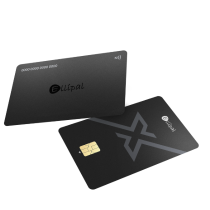
ELLIPAL se diseñó en torno a dos principios que, casualmente, responden a lo que el mercado está demandando en este momento.
\Principio 1: sin conexión.\ Sin USB, sin Bluetooth, sin Wi-Fi y sin transferencia de datos mediante NFC. La firma de transacciones se realiza sin conexión mediante códigos QR. Cuando el índice de miedo está en 8 y se está suplantando la identidad de los exchanges, un dispositivo sin ninguna vía de acceso a internet es la respuesta de ingeniería a ese modelo de amenazas.
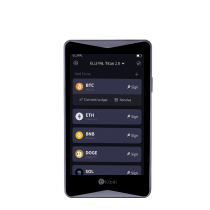
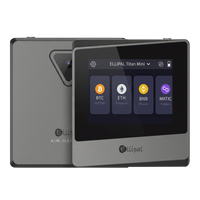
\Principio 2: enfoque móvil.\ ELLIPAL se diseñó desde cero para funcionar mediante el teléfono. Una gran pantalla táctil permite verificar las operaciones en el propio dispositivo. El escaneo de códigos QR funciona con la cámara de cualquier teléfono inteligente. La aplicación móvil se diseñó y desarrolló como la interfaz principal para el usuario.
| Característica | ELLIPAL | Ledger | Trezor | Tangem |
|---|---|---|---|---|
| Conexión | Ninguno (solo QR) | USB + Bluetooth | USB | NFC |
| Enfoque móvil | ✅ Diseño nativo | ✅ Ledger Live | ❌ Diseñada primero para escritorio | ✅ Basada en una aplicación |
| Pantalla del dispositivo | ✅ Pantalla táctil grande | ✅ Pantalla pequeña | ✅ Pantalla pequeña | ❌ Sin pantalla |
| Verificación de transacciones | Código QR (visual) | Pantalla del dispositivo | Pantalla del dispositivo | Solo pantalla del teléfono |
| Antimanipulación | ✅ Cuerpo metálico que se borra ante un ataque | Elemento seguro | Elemento seguro | A nivel de chip |
Una guía paso a paso: pasar de un exchange a almacenamiento en frío
- \Evalúa lo que tienes en los exchanges.\ Haz una lista de cada plataforma, cada token y cada saldo. Si no dejarías esa cantidad de dinero en efectivo sobre el escritorio de un desconocido, tampoco debería estar en un exchange.
- \Elige tu billetera de hardware.\ Considera si se conecta a internet (aislada significa sin conexión), si funciona de forma nativa con tu teléfono (el enfoque móvil es importante) y si puedes verificar las transacciones en el propio dispositivo (una pantalla es esencial).
- \Configura tu billetera sin conexión.\ Con ELLIPAL, la generación de la frase semilla se realiza en el dispositivo aislado. La frase no se transmite a tu teléfono ni a ninguna red.
- \Retira fondos de los exchanges por etapas.\ No muevas todo de una vez. Empieza con una pequeña transacción de prueba, verifica la dirección en la pantalla de tu billetera de hardware y después mueve cantidades mayores.
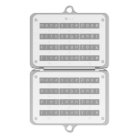
- Protege físicamente tu frase semilla. Escríbela en metal en lugar de papel. Guárdala en un lugar seguro y separado. No le hagas una foto ni la almacenes digitalmente.
- Mantén en los exchanges solo las cantidades destinadas al trading. Tus activos principales, incluido el Bitcoin que no vas a vender durante años, deben mantenerse en almacenamiento en frío.
Preguntas frecuentes
¿Es ahora un buen momento para retirar las criptomonedas de los exchanges?
Históricamente, los periodos de miedo extremo se correlacionan con un mayor riesgo en los exchanges, ya sea por insolvencia (FTX), fraude (el clon de phishing de CoinDCX) o cierre del servicio (Coinbase Commerce). Para las inversiones a largo plazo, lo ideal es pasar a la autocustodia durante periodos de calma, pero hacerlo durante periodos de miedo sigue siendo mejor que no hacerlo.
¿Cuál es la diferencia entre el enfoque de plataforma de Ledger y el enfoque de ELLIPAL?
Ledger se está expandiendo hacia una plataforma completa de criptomonedas (trading, staking, DeFi y pagos), lo que añade funciones, pero también puntos de conexión y complejidad. ELLIPAL se centra en el almacenamiento en frío sin conexión a Internet. Son filosofías diferentes, y ELLIPAL está diseñada para usuarios que quieren el máximo aislamiento para sus activos principales.
¿Por qué es importante que una billetera de hardware tenga un diseño «centrado en el móvil»?
La mayoría de los usuarios de criptomonedas gestionan principalmente su cartera desde el teléfono. Una billetera de hardware que requiere una computadora de escritorio genera fricción y hace que las prácticas de seguridad se realicen con menos frecuencia. Un diseño centrado en el móvil, como el flujo de trabajo mediante códigos QR de ELLIPAL con cualquier teléfono inteligente, permite integrar la seguridad en la forma en que ya usas las criptomonedas.
¿Puedo usar ELLIPAL junto con otra billetera?
Sí. Muchos usuarios mantienen un pequeño saldo en una billetera caliente para las transacciones diarias y una ELLIPAL Air-gapped para el almacenamiento a largo plazo. Esta estrategia de dos billeteras te ofrece comodidad para el uso diario y el máximo aislamiento para tus activos principales.
Hazte con él. Luego úsalo.
Nota de seguridad: Ninguna configuración de autocustodia elimina todos los riesgos. La arquitectura Air-gapped cierra las vías de ataque remoto y de las contrapartes de los exchanges, pero no elimina los riesgos físicos, de la cadena de suministro, del firmware, de la ingeniería social ni de los errores del usuario. Compra en una fuente oficial, guarda tu frase de recuperación en una copia de seguridad física duradera almacenada sin conexión y por separado, y no la compartas ni la introduzcas digitalmente. Este artículo ofrece información educativa general, no asesoramiento financiero, de inversión ni de custodia.