
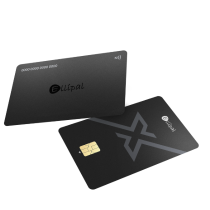
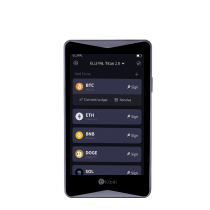
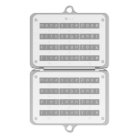
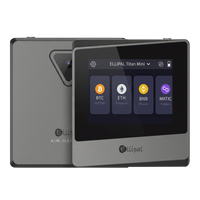


Conclusión principal: ELLIPAL X Card es la vía de actualización para los usuarios de MetaMask, no un reemplazo de nada de lo que te gusta de MetaMask. Ambas siguen el estándar BIP39, por lo que conservas exactamente tus direcciones, tu historial de transacciones y tus conexiones con dApp. Lo que cambia es dónde reside la clave privada: MetaMask la mantiene en software en un dispositivo conectado a Internet, al alcance de páginas de phishing y extensiones maliciosas, mientras que X Card la traslada a un elemento seguro CC EAL6+, el mismo nivel de certificación utilizado en pasaportes, donde solo firma durante un acercamiento aprobado mediante PIN. El traslado tarda unos 3 minutos mediante X Card Starter sin conexión y, con un precio de 69 $, la tarjeta cuesta menos que la mayoría de los errores individuales. Esta guía compara ambas opciones y explica cómo realizar la actualización.
Referencia rápida
| Término | Qué significa |
|---|---|
| Cartera de software (caliente) | Una cartera como MetaMask cuyas claves privadas residen en un dispositivo conectado a Internet |
| Cartera fría NFC | Una cartera de hardware con formato de tarjeta; las claves residen en un chip certificado de la tarjeta y firman al acercarla |
| Elemento seguro | Un chip de hardware certificado para ejecutar operaciones criptográficas de forma aislada de cualquier sistema operativo |
| BIP39 | El formato de frase semilla estándar del sector; las mismas palabras restauran las mismas direcciones en cualquier cartera compatible |
| WalletConnect | El protocolo abierto que conecta las carteras con las dApps, utilizado tanto por MetaMask como por ELLIPAL App |
La única diferencia que lo decide todo
MetaMask es un buen software, y esa es precisamente la limitación: es software. La clave privada que controla tus criptomonedas se encuentra en un archivo cifrado en el mismo dispositivo donde navegas, haces clic en enlaces e instalas extensiones. Cada página de phishing, extensión maliciosa y dependencia infectada de ese dispositivo opera en el mismo entorno que tu clave. El cifrado protege un archivo en reposo; no ayuda cuando un malware se ejecuta con tu sesión o cuando un sitio falso te convence de introducir la frase semilla.
ELLIPAL X Card saca la clave por completo de ese entorno. La clave se genera sin conexión en X Card Starter, reside dentro de un elemento seguro CC EAL6+ de la tarjeta y firma transacciones únicamente cuando acercas la tarjeta al teléfono y confirmas con un PIN. Tu teléfono sigue ejecutando la aplicación, creando transacciones y comunicándose con dApps. La tarjeta posee la autoridad y no forma parte de Internet.
ELLIPAL X Card frente a MetaMask de un vistazo
| Dimensión | ELLIPAL X Card | MetaMask |
|---|---|---|
| Dónde reside la clave privada | Elemento seguro CC EAL6+ en la tarjeta | Archivo de software en un dispositivo conectado a Internet |
| Exposición a malware y phishing | El código del teléfono o del navegador no puede acceder a la clave | La clave comparte el dispositivo con todas las amenazas presentes en él |
| Barrera de firma | Toque físico más PIN para cada transacción | Confirmación mediante software en la misma pantalla que un atacante puede falsificar |
| Generación de la semilla | Sin conexión, en el X Card Starter; nunca existe una copia digital | Dentro de la aplicación en el dispositivo conectado |
| Acceso a dApp | Sí, mediante WalletConnect a través de ELLIPAL App | Sí, de forma nativa |
| Estándar de recuperación | BIP39/44 | BIP39/44 |
| Tus direcciones existentes | Importa la semilla y vendrán contigo | — |
Lo que 2025 y 2026 cambiaron en la cuestión de los monederos de software
La diferencia dejó de ser teórica. A principios de 2026, una campaña maliciosa contra extensiones del navegador drenó alrededor de 7 millones de dólares de 2.520 usuarios de Trust Wallet en 48 horas, operando por completo en la capa de software donde residían esas claves; consulta nuestro análisis. Las vulneraciones de la cadena de suministro, como el incidente de Axios en npm, demostraron que incluso el software legítimo hereda el riesgo de cada dependencia que incluye. Ninguno de estos ataques necesitó romper el cifrado. Solo necesitaban ejecutarse en el mismo dispositivo que la clave, que es la única condición que un monedero de software no puede eliminar y que el X Card elimina por diseño.
La actualización: consérvalo todo, mueve la clave
Como MetaMask y ELLIPAL X Card siguen BIP39, actualizar no implica ninguna migración complicada:
- Configura el X Card con ELLIPAL App y elige importar una frase semilla existente.
- Introduce tu frase semilla de MetaMask en el X Card Starter sin conexión (solo en el Starter, no en el teléfono).
- Tus direcciones, saldos e historial aparecen en ELLIPAL App, porque las direcciones se derivan de la propia semilla.
- Vuelve a conectar tus dApps mediante WalletConnect y firma la próxima transacción con un toque y un PIN en lugar de hacer clic en el navegador.
La opción más limpia, recomendada si tu semilla de MetaMask alguna vez se ha introducido en algún sitio o ha pasado por un susto de phishing, es generar una semilla nueva en el Starter y transferir los fondos en cadena a las nuevas direcciones. Tiene el coste de una comisión de red, pero retira la exposición anterior. En cualquier caso, el proceso paso a paso está en nuestra guía para importar MetaMask, y primero se realiza una pequeña transacción de prueba.
¿Pierdes algo?
La contabilidad honesta: renuncias a firmar desde dentro de la pestaña del navegador y añades un objeto físico a tu vida. A cambio, el objeto es una tarjeta de 1,2 mm, sin batería y resistente al agua, que vive en la cartera que ya llevas, y la pestaña del navegador era la superficie de ataque. DeFi, los NFT y los inicios de sesión de dApp siguen funcionando mediante WalletConnect. El paso de acercar la tarjeta y usar el PIN añade unos dos segundos por transacción, que es todo el coste continuo de sacar tu clave de Internet.
Muchas personas usan ambas durante un tiempo: MetaMask conserva el dinero para gastos cotidianos y las interacciones instantáneas del navegador, mientras que X Card guarda todo lo importante. Esta división funciona y normalmente termina con X Card guardando más y MetaMask menos a medida que se consolida el hábito. Para una versión más amplia de este patrón, consulta cartera fría frente a cartera caliente.
¿Qué caso de uso se adapta a ELLIPAL X Card?
- «Toda mi cartera está en MetaMask y eso de repente me parece mal». Importa la semilla, conserva las direcciones y la clave sale hoy mismo del navegador.
- «Uso DeFi semanalmente y no puedo permitirme el robo de claves». WalletConnect mantiene las dApps, el chip EAL6+ mantiene la clave y el PIN mantiene la puerta cerrada.
- «Hice clic en algo malicioso una vez y tuve suerte». Genera una semilla nueva en Starter sin conexión y transfiere los fondos; el susto termina con la semilla antigua.
- «Quiero seguridad de hardware sin llevar un dispositivo». X Card es una tarjeta. Desaparece dentro de la cartera que ya tienes.
- «Estoy configurando las carteras de varios familiares que usan MetaMask». El lote de varias tarjetas admite hasta 10 tarjetas, cada una con un PIN independiente.
Preguntas frecuentes
¿MetaMask es inseguro?
MetaMask cumple su función según lo previsto; la limitación es estructural a todas las carteras de software. Cualquier clave almacenada en un dispositivo conectado a Internet puede ser alcanzada por cualquier otra cosa que se ejecute en ese dispositivo, y 2025-2026 ofreció una lista constante de extensiones, kits de phishing e incidentes en la cadena de suministro que hicieron exactamente eso. ELLIPAL X Card elimina la condición de la que dependen esos ataques al mantener la clave en un chip que no forma parte de Internet.
¿Perderé mis direcciones y mi historial de MetaMask si cambio?
No. Ambas carteras siguen BIP39, por lo que importar tu frase semilla en X Card reproduce las mismas direcciones y todo lo que está en la cadena de bloques (saldos, historial y NFT) permanece exactamente donde estaba. La cadena de bloques nunca supo qué aplicación de cartera estabas usando.
MetaMask es gratis. ¿Qué compra el precio de 69 $?
Un elemento seguro CC EAL6+ con tu clave en su interior, un Starter sin conexión que genera la semilla sin crear una copia digital, una barrera de PIN para cada firma y un cuerpo que resiste el uso diario en tu bolsillo. Gratis es el precio adecuado para un software que guarda dinero para gastos pequeños; es el precio equivocado para lo que protege tus ahorros. Consulta la tienda oficial para conocer los precios actuales y los paquetes Two Cards.
¿Todavía puedo usar Uniswap, OpenSea y otras dApps?
Sí. ELLIPAL App se conecta a las dApps mediante WalletConnect, el mismo protocolo abierto compatible con MetaMask. Navegas por la dApp como de costumbre y, cuando llega el momento de firmar, la solicitud se envía a X Card para tocarla e introducir un PIN en lugar de hacer clic en el navegador.
¿Qué ocurre si pierdo la tarjeta?
Tus criptomonedas siguen siendo recuperables con la frase de recuperación que anotaste durante la configuración, en una X Card nueva o en cualquier cartera compatible con BIP39. El PIN mantiene bloqueada una tarjeta encontrada y la bloquea tras varios intentos incorrectos. Consulta la guía completa.
¿Debería eliminar MetaMask después de actualizar?
Si importaste tu semilla antigua a X Card, considera que esa semilla se compartió con la copia de software que todavía existe; eliminar la extensión no borra el historial de exposición. El estado final más seguro es una semilla nueva generada sin conexión que contenga los saldos reales, con MetaMask eliminado o relegado a una cartera para gastos pequeños con su propia semilla separada.
El veredicto
La cuestión de X Card frente a MetaMask no es realmente una rivalidad, porque ELLIPAL X Card se creó para ser el segundo capítulo de la misma historia. Todo lo que configuras en MetaMask se conserva, las dApps siguen funcionando y aquello que siempre fue más vulnerable —una clave privada almacenada dentro de un dispositivo conectado a Internet— se sustituye por un chip de nivel de pasaporte en tu cartera física. Para los usuarios de MetaMask en 2026, X Card es la mejora, y solo lleva 3 minutos.
Hazlo tuyo. Luego úsalo.
Nota de seguridad: Ninguna configuración de autocustodia elimina todos los riesgos. Trasladar las claves a un dispositivo físico cierra las vías de robo remoto de claves, pero no elimina los riesgos físicos, de la cadena de suministro, del firmware, de ingeniería social, de los contratos inteligentes ni de errores del usuario. Compra en una fuente oficial, guarda tu frase de recuperación en una copia de seguridad duradera y sin conexión, separada de la tarjeta, no la compartas ni la introduzcas digitalmente y verifica cada transacción antes de aprobarla. Las dApps y los protocolos DeFi son servicios independientes de terceros; ELLIPAL no custodia fondos, no proporciona asesoramiento de inversión ni garantiza los resultados de los protocolos. Los precios mencionados corresponden a mediados de 2026 y pueden cambiar. Este artículo contiene información educativa general y no constituye asesoramiento financiero, de inversión ni de custodia.