
Sicherheitsforschung
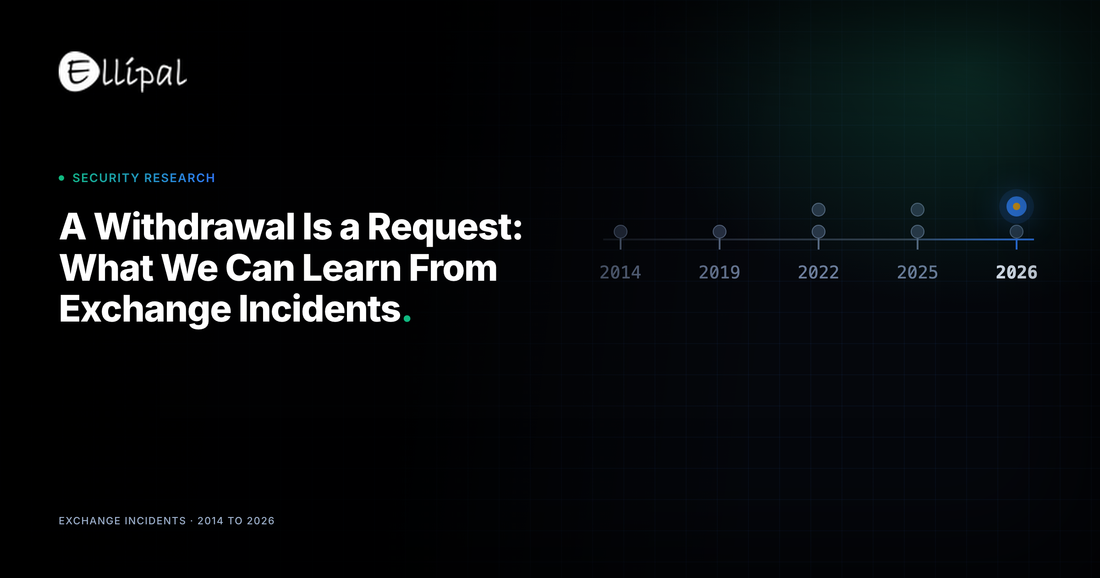
A Withdrawal Is a Request: What We Can Learn From Exchange Incidents
Main Takeaway: A balance on an exchange is a record in the exchange's ledger, and taking coins out is a request the exchange has to approve. From Mt. Gox in 2014 to Binance in October 2026, exchange incidents have followed a few repeating patterns, and in most of them users waited on the platform's decision to get their coins back. Self-custody moves the keys, and the work of protecting them, to you. What does an exchange balance actually represent? When you buy crypto on an exchange, the coins usually sit in wallets the exchange controls, alongside everyone else's. Your account shows your share as an entry in the exchange's own database. Coins only leave when you ask for a withdrawal and the exchange signs a transaction from one of its wallets. That step depends on the exchange's systems, policies and solvency on the day you ask. Our guide on where your crypto is actually stored covers the mechanics in more...
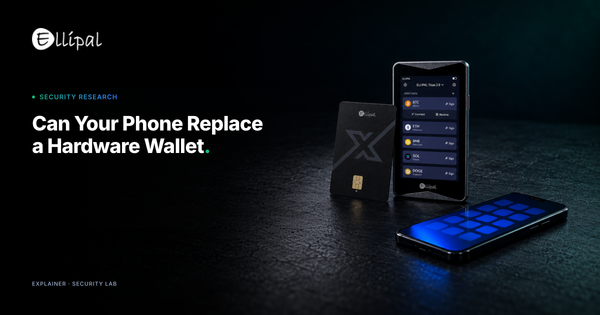
Can Your Phone Replace a Hardware Wallet?
A phone can store keys, but it also runs many apps and stays online. Here is what a hardware wallet separates from the phone, and what it does not cover,...
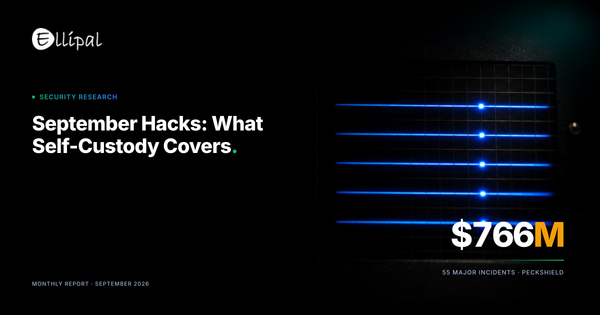
Crypto Hacks in September 2026: What Happened and What Self-Custody Covers
PeckShield counted $766.49M lost to 55 major hacks in September 2026. Most came from one exchange wallet system and one sidechain peg. What self-custody changes and what it leaves as...

How ELLIPAL Hardware Is Built Against Supply Chain Attacks
A hardware wallet supply chain attack modifies a device before delivery. ELLIPAL answers it in layers, from a case built to resist opening and...
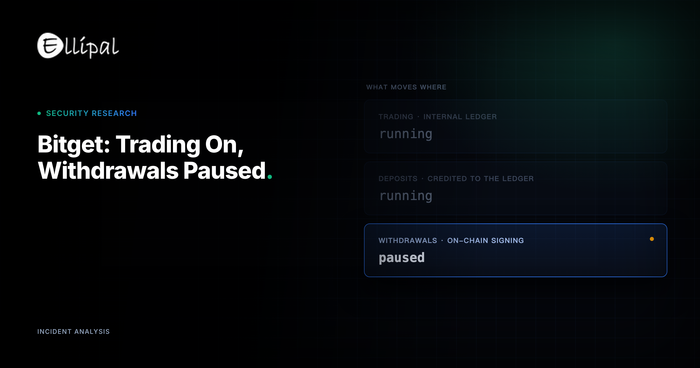
Bitget Hot Wallet Incident: Why Trading Continues While Withdrawals Are Paused
Bitget reported about $351.6 million in unauthorized hot wallet transfers on September 24, 2026. Withdrawals paused while trading continued. Here is why both can...
FomoPeek iOS Attack: What Crypto Wallet Users Should Do
FomoPeek 1.1 and 1.2 carried malicious modules capable of escaping the iOS sandbox. Learn what was exposed, what to do now and where hardware...
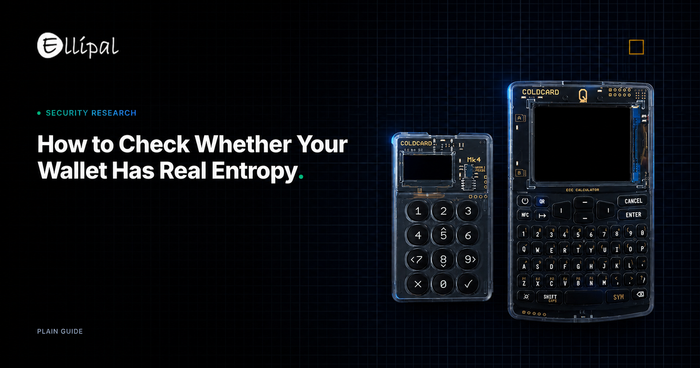
Seed-Entropie: So prüfst du, ob deine Wallet tatsächlich über Entropie verfügt
Der Coldcard-Fehler war ein unbemerkter Build-Fehler: Fünf Jahre lang wurde der Software-Zufallszahlengenerator anstelle des Hardware-Zufallszahlengenerators verwendet. Was passiert ist, wie ELLIPAL Zufallszahlen erzeugt und...

Kryptosicherheit 2025 und 2026: 5 wichtige Ereignisse und was sie für die Selbstverwahrung bedeuten
Vom Browser-Hack bei Trust Wallet im Wert von 7 Mio. US-Dollar bis zur Übernahme der Drift-Multisignatur-Wallet im Wert von 285 Mio. US-Dollar – fünf...

Drift Protocol für 285 Mio. US-Dollar gehackt: Was dies über das Risiko von Börsen offenbart
Der Exploit des Drift Protocol hat bewiesen, dass „dezentralisiert“ nicht sicher bedeutet. Hier erfahren Sie, warum die Selbstverwahrung mit einer vom Netzwerk getrennten Hardware-Wallet...
Nordkoreanische Hacker haben gerade eine von 83 Millionen Apps verwendete Bibliothek vergiftet: Warum Ihre Air-Gap-Wallet nicht reagiert hat
Nordkoreanische Hacker haben Axios kompromittiert, eine npm-Bibliothek, die 83 Millionen Mal pro Woche heruntergeladen wird, und Malware eingeschleust, die auf Krypto-Assets abzielt. Unterdessen fuhren...
Trust-Wallet-Hack in Höhe von 7 Mio. US-Dollar: Was er für die Wallet-Sicherheit im Jahr 2026 bedeutet
7 Millionen US-Dollar gestohlen. 2.520 Wallets leergeräumt. 48 Stunden. Der Trust-Wallet-Weihnachtshack hat bewiesen, dass Browser-Wallets grundsätzlich verwundbar sind. Da der Kryptodiebstahl 2025 3,4 Milliarden...
Lieferkettenangriff auf NPM: Was er für Krypto-Nutzer bedeutet
Deine Kryptowährungen könnten gestohlen werden, ohne dass du es bemerkst. Ein bösartiges NPM-Paket ist aktiv. Die Cold Wallets mit Clear Signing von ELLIPAL sind...