

Im vergangenen Monat stellte ELLIPAL auf den beiden größten Krypto-Konferenzen Amerikas aus: Bitcoin 2026 in Las Vegas (Stand Nr. 1140) und Consensus 2026 in Miami (Stand Nr. 2118).
Die beiden Veranstaltungen ziehen unterschiedliche Zielgruppen an. Bitcoin 2026 dreht sich um solides Geld und finanzielle Selbstbestimmung, mit 40.000 Teilnehmern und dem offiziellen Motto „All In On the Future of Money“.
Die von CoinDesk veranstaltete Consensus ist der Ort, an dem Krypto auf die Wall Street trifft. In diesem Jahr machten institutionelle Teilnehmer etwa 35 % des Publikums aus und repräsentierten ein geschätztes verwaltetes Vermögen von 10 Billionen US-Dollar.
 Unterschiedliche Zielgruppen, dasselbe Gesprächsthema. Das haben wir bei beiden Veranstaltungen gehört.
Der gemeinsame Nenner: Stablecoins
In Las Vegas gehörte eine der meistdiskutierten Sitzungen Paolo Ardoino, dem CEO von Tether. Auf einer Bitcoin-Bühne sprach er über die Zukunft dollarbasierter Stablecoins. Einige im Raum waren anderer Meinung. Die meisten hörten aufmerksam zu.
In Miami waren Stablecoins keine Veranstaltung am Rande. Sie zogen sich als roter Faden durch die gesamte Konferenz. Am zweiten Tag waren sich die Redner einer nach dem anderen bei derselben Idee angekommen: Stablecoins sind die Brücke zwischen Krypto und dem restlichen Finanzsystem.
Auf der Consensus widersprach Donald Trump Jr. der Befürchtung, Stablecoins bedrohten den US-Dollar: „Die falsche Darstellung, dass Stablecoins eine Bedrohung für die Dollar-Hegemonie darstellen werden ... Stablecoins werden der Retter sein.“
Die Zahlen erklären, warum beide Veranstaltungen immer wieder darauf zurückkamen. Die Marktkapitalisierung von Stablecoins überschritt Anfang Mai 320 Milliarden US-Dollar. Im vergangenen Jahr wickelte diese Anlageklasse Transaktionsvolumina in Billionenhöhe ab – eine Zahl, die inzwischen eher mit Visa als mit anderen Krypto-Assets verglichen wird. Seit der GENIUS Act einen bundesweiten Rechtsrahmen geschaffen hat, sind Stripe, Visa, Mastercard, PayPal, Western Union und Meta allesamt in den Stablecoin-Zahlungsverkehr eingestiegen.
Und die politische Uhr tickt weiter. Am 14. Mai stimmte der Bankenausschuss des US-Senats mit 15 zu 9 Stimmen und parteiübergreifender Unterstützung dafür, den Digital Asset Market CLARITY Act dem Plenum des Senats vorzulegen. Die meistbeachtete Bestimmung betrifft den Umgang mit Renditen auf Stablecoins: Der Gesetzentwurf verbietet zinsähnliche Erträge auf passiv gehaltene Bestände, erlaubt jedoch Prämien, die an tatsächliche Aktivitäten wie Trading oder Staking geknüpft sind. Der Trend, auf den beide Konferenzen hingewiesen haben, wird gerade in Echtzeit in Gesetzesform gegossen.
Ein Bitcoin-orientiertes Publikum und ein institutionelles Publikum sind sich nur selten in vielem einig. In diesem Jahr waren sie sich in diesem Punkt einig. Doch der Aufstieg der Stablecoins rückt eine Frage, die früher am Rand der Krypto-Welt stand, in den Mittelpunkt des Lebens aller: Self-Custody.
Self-Custody ist ein System, kein Gerät
Deshalb ist dieser Wandel wichtig. Während des größten Teils des vergangenen Jahrzehnts war Self-Custody ein Nischenthema und bedeutete nur eines: eine Hardware-Wallet kaufen. Ein Gerät, eine Seed Phrase, fertig.
Stablecoins verändern das. Wenn digitale Dollar zu etwas werden, das eine gewöhnliche Person besitzt, ist Self-Custody keine Frage mehr für Krypto-Insider, sondern eine Frage für alle. Die Menschen, die an unseren Ständen danach fragten, wollten nicht etwas über ein einzelnes Gerät wissen. Sie wollten verstehen, wie das gesamte Setup zusammenpasst.
Wie verwahrt man ein Guthaben, das man jede Woche ausgibt, ohne die langfristigen Ersparnisse preiszugeben? Wie bewahrt man ein Backup auf, das einen Hausbrand oder zehn Jahre in einer Schublade übersteht? Wie kann jemand aus der Familie auf die Guthaben zugreifen, wenn man nicht da ist, um ihn oder sie dabei anzuleiten?
Das sind keine Fragen zur Hardware. Es sind Fragen zu einem System. Eine Cold Wallet ist ein Teil davon. Ebenso ein physisches Backup, eine separate Wallet für tägliche Ausgaben und ein klarer Wiederherstellungsplan.
Hier entstehen auch die meisten Verluste im echten Leben. Nicht durch defekte Hardware, sondern durch die Lücken rundherum: eine Hot Wallet, die mehr Guthaben hält als sie sollte, ein Backup, das nie erstellt wurde, oder eine Phishing-Nachricht, die durchgekommen ist. Das Gerät ist selten der Schwachpunkt. Es ist das System um das Gerät herum.
Was wir in Las Vegas und Miami gezeigt haben
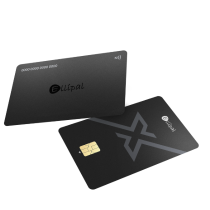
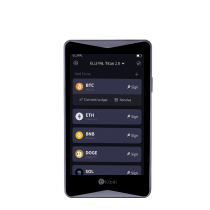
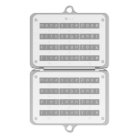
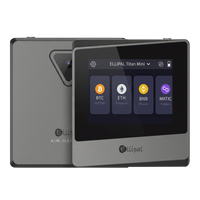
An beiden Ständen konnten Besucher das gesamte air-gapped ELLIPAL-Produktangebot praktisch ausprobieren: Titan 2.0, X Card und Seed Phrase Steel. Um diese Bestandteile herum haben wir unsere Produktlinie aufgebaut. Jedes Produkt kann eigenständig verwendet werden, gemeinsam funktionieren sie als System. Ein primäres air-gapped Signiergerät, eine Wallet im Kartenformat für den täglichen Zugriff und ein Backup aus Stahl, das länger bestehen soll als das Gerät, das es schützt. Zusammen unterstützen sie BTC und die wichtigsten Stablecoins über mehr als 40 Blockchains hinweg, wobei jede Transaktion offline signiert wird.
Die Fragen an beiden Ständen spiegelten die Gespräche auf den Hauptbühnen wider. Die Menschen wollten zu wissen, wie man ein Stablecoin-Guthaben verwahrt, und nicht nur, wie man eine einzelne Coin aufbewahrt.

Warum wir PayDAO entwickeln
Selbstverwahrung sollte nicht bei Ersparnissen enden. Sie sollte den Moment erreichen, in dem sich Geld tatsächlich bewegt.
Das ist der Gedanke hinter PayDAO, einem kryptonativen Stablecoin-Zahlungsprotokoll, das ELLIPAL gemeinsam mit anderen Teams aus der Branche initiiert hat. Ziel ist es, Wert und Kontrolle an die Zahlungsteilnehmer zurückzugeben, statt an die Vermittler zwischen ihnen. In der Praxis kann ein Händler damit Stablecoins per Tap-to-Pay auf Solana akzeptieren – mit Abwicklung innerhalb von Sekunden, Gebühren von unter 1 % und durchgehendem Verbleib der Verwahrung beim Händler.
Es ist noch früh. Aber das Prinzip zieht sich durch alles, was wir entwickeln. Wer das Geld besitzt, sollte es kontrollieren – unabhängig davon, ob es auf einem Sparkonto liegt oder über einen Verkaufstresen hinweg bewegt wird.

Stimmen von der Messe
Einige Dinge haben wir immer wieder gehört:
„Ich hätte nicht gedacht, dass eine Cold Wallet in meine echte Geldbörse passt. Clever.“
„Tap-to-Sign ist das Cleverste, was ich hier gesehen habe. Warum hat das niemand früher gemacht?“
„Ich möchte ein Gerät für meine BTC und außerdem meine Stablecoins offline aufbewahren können.“
Das sind keine Erfahrungsberichte. Sie zeigen eine Richtung. Menschen wünschen sich eine Selbstverwahrung, die zu der Art passt, wie sie ihr Geld tatsächlich halten und nutzen.
Wohin uns das führt
Ein großer Teil der Zukunft des Geldes sieht nach Dollar auf einer Blockchain aus. Die offene Frage ist, ob die Selbstverwahrung bereit ist, diese zu halten. Darauf konzentrieren wir uns – und wir werden bald mehr dazu teilen.
Über ELLIPAL:
Seit fast acht Jahren arbeitet ELLIPAL an einem Ziel: Selbstverwahrung wirklich alltagstauglich zu machen – inzwischen vertrauen ihr weltweit über 1 Million Menschen. Diese Arbeit entwickelt sich auf zwei parallelen Wegen weiter.
Der eine ist die Titan-Serie, unsere luftgekoppelte Produktlinie, die Offline-Signaturen bis an ihre Grenzen bringt. Der andere ist X Card: eine Cold Wallet im Kartenformat, die auf Tap-to-Web3 setzt und Selbstverwahrung so mühelos macht wie das Auflegen einer Karte.
Zwei Wege, ein Ziel. Selbstverwahrung so zu gestalten, dass jeder sie einrichten, sichern und jahrelang zuverlässig nutzen kann. Für Bitcoin, Stablecoins und alles, was man sonst aufbewahren möchte.