
Main Takeaway: A private key compromise is when someone other than you gets a copy of the key, or the seed phrase behind it, that controls a crypto wallet. With that copy they can sign transactions as you. Most compromises start where the key or seed phrase touched a connected device, a photo or another person's hands.
Quick Reference
| Term | What it means here |
|---|---|
| Private key | The secret number that signs transactions for one address. Whoever holds it can move what that address holds. |
| Seed phrase | The 12 or 24 words (BIP39 standard) that recreate every private key in a wallet. A leaked seed phrase is a compromise of the whole wallet. |
| Sweeper bot | An automated script that watches a compromised address and moves new funds out within seconds of arrival. |
What Is a Private Key Compromise?
A private key compromise means a second party can produce valid signatures for your wallet. The blockchain cannot tell their signature from yours, so a transfer they sign is final. Nothing about the wallet looks different from the outside until funds move.
A private key compromise is also permanent for that key. A password can be changed, but a private key or seed phrase cannot be reset. The fix is a new wallet with a new seed phrase, and moving the funds into it.
How Private Keys and Seed Phrases Leak
Most private key leaks involve the seed phrase leaving the hardware it was created on.
- A photo or screenshot of the seed phrase. Phone galleries sync to cloud accounts, and some malware scans images for word lists.
- The seed phrase typed into a connected device. Notes apps, documents, password fields and browser extensions all sit on systems that malware can read.
- A form or website that asks for the words. Fake wallet apps, fake support chats and "seed phrase checker" pages are common disguises for theft.
- A software wallet on a compromised computer or phone. The private key lives on the same system as the malware.
- A backup someone else can see. Paper left in a drawer, a shared safe or a photo sent to a family member is a copy outside your control.
- Weak key generation. Keys built from poor randomness can be recreated by an attacker. Whether a seed phrase can be guessed covers why properly generated words hold up.
Private Key Compromise vs Other Wallet Attacks
A private key compromise is often confused with attacks that do not touch the key at all. The difference decides what to do next.
| Attack | What the attacker gets | What fixes it |
|---|---|---|
| Private key or seed phrase compromise | The ability to sign anything from your wallet | A new wallet with a new seed phrase, then move funds |
| Phishing on-chain approval | Permission to move specific tokens you approved | Revoke the on-chain approval, and the key itself stays private |
| Address poisoning | A payment you sent to a lookalike address | Check the full address before sending |
| Malicious transaction you signed | Whatever that one transaction does | Read the details on the device screen before you confirm |
Signing a bad transaction or approval is different from losing the key, and how crypto drainers work explains how those requests are built.
Why a Hardware Wallet Changes Where Keys Can Leak
A hardware wallet generates the seed phrase inside its own secure chip and keeps the private keys there. Transactions are signed on the device, and only the signed result leaves it. Malware on your phone can show you a false screen or a bad request, but it has no copy of the key to send anywhere.
That protection covers the device, not the backup. A seed phrase typed into a phone, photographed or stored in a cloud note is exposed in the same way as any other secret, whatever hardware created it. More on this in whether a phone can replace a hardware wallet.
What to Do If You Think Your Private Key Is Compromised
Speed matters because sweeper bots can act within seconds once they find a funded address.
- Stop sending new funds to the old wallet, including incoming payments you can redirect.
- Set up a new wallet on a hardware wallet with a freshly generated seed phrase. Do not restore the old one.
- Write the new seed phrase on paper or metal only, with no photo and no typing.
- Move funds from the old wallet to the new one, starting with the largest balances.
- If the old wallet has no coin left for network fees, a bot may take any fee you send, so move what you can first.
- Retire the old seed phrase. Destroy its backups so no one reuses it by accident.
If you are unsure whether the problem is a leaked key or a signed approval, check what happens if you lose your hardware wallet for the restore path.
Which Situation Matches Yours?
- Your seed phrase was photographed or typed somewhere online: treat it as compromised and move funds to a new wallet.
- A website or support agent asked for your words and you entered them: start with step 2 above today.
- Tokens left after you signed something on a dApp: this is likely an on-chain approval, so revoke it and check what else you approved.
Where ELLIPAL Fits
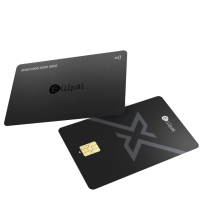
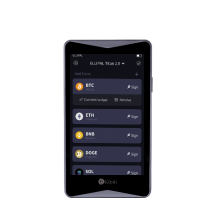
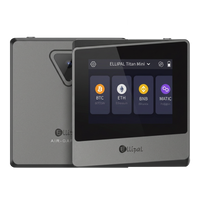
ELLIPAL hardware wallets generate the seed phrase inside the secure chip, and private keys are generated and stored offline. The ELLIPAL Titan 2.0 is a cold wallet with no Bluetooth, no WiFi and no USB data connection, signing through QR codes and showing transaction details on its own screen. The ELLIPAL X Card is an NFC cold wallet with no battery and no port, signing with a tap to your phone, and its seed phrase is set up through the offline Starter rather than the ELLIPAL App. Different tools. Same mission.
FAQ
Can a private key be changed after a compromise?
No. A private key is tied to its address, so the only fix is a new wallet with a new seed phrase. Move the funds there and stop using the old addresses.
How do I know if my private key is compromised?
The usual sign is outgoing transactions you did not sign, often several tokens at once. If the seed phrase was ever typed, photographed or shared, move funds.
Can a hardware wallet be compromised remotely?
A hardware wallet keeps private keys off your phone and computer, so malware on those devices has no key to copy. Remote attackers can still trick you into signing a bad transaction, which is why reading the device screen matters.
Is a leaked seed phrase worse than a leaked private key?
Yes. A private key controls one address, while a seed phrase recreates every key in the wallet across every supported chain. A leaked seed phrase means every account in that wallet needs to move.
About ELLIPAL
ELLIPAL has made self-custody hardware wallets since 2018, with more than 1 million users in 140+ countries. ELLIPAL wallets support 10,000+ tokens across 45+ chains.
Ready to keep your private keys off connected devices? Explore the ELLIPAL Titan 2.0 or the ELLIPAL X Card.