

Guides & Comparisons
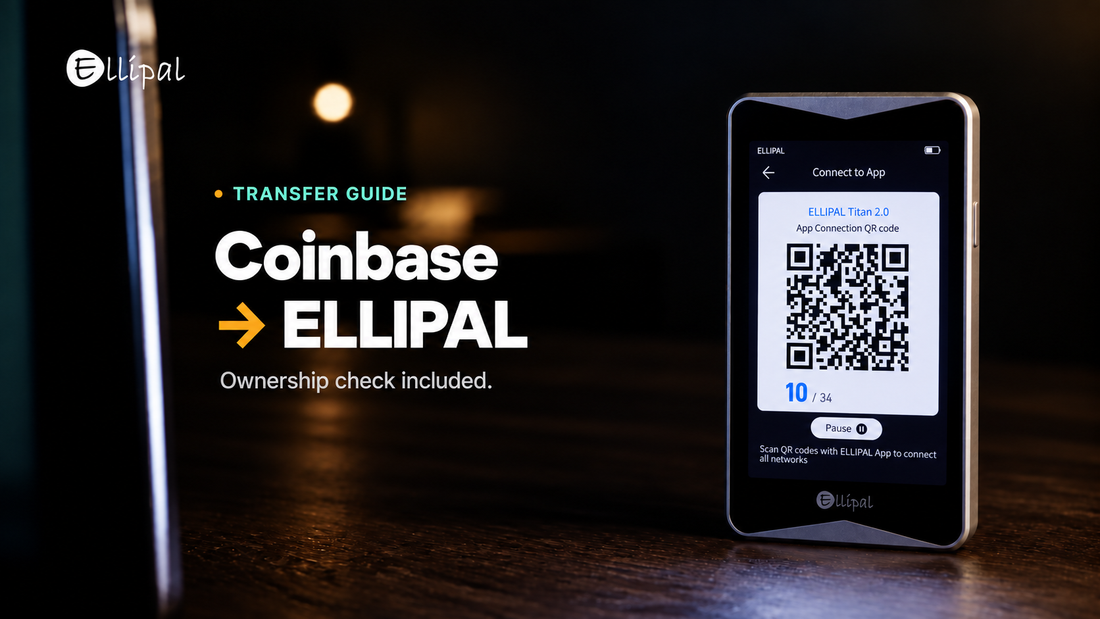
How to Transfer Crypto From Coinbase to Your ELLIPAL Wallet, Including the Ownership Check
Main Takeaway: Moving crypto off Coinbase is one on-chain send: copy the receiving address from your ELLIPAL wallet, paste it into Coinbase's Send screen, confirm. What stalls people is ownership verification, because Coinbase verifies one address at a time, not the wallet behind it, and a new wallet cannot pass its small deposit test. Quick Reference Small deposit test Coinbase asks the destination wallet to send a set amount plus network fees. Extended public key A watch only key with no spending authority that still reveals an account's addresses and balances. Memo or destination tag Coinbase says tags and memos generally are not needed for a self-custody wallet. Internal transaction A transfer executed by a contract call, listed in its own block explorer tab. How do you transfer crypto from Coinbase to an ELLIPAL wallet? You transfer crypto from Coinbase to an ELLIPAL wallet by sending an on-chain withdrawal to an address the ELLIPAL wallet generates. Coinbase holds the coins until...
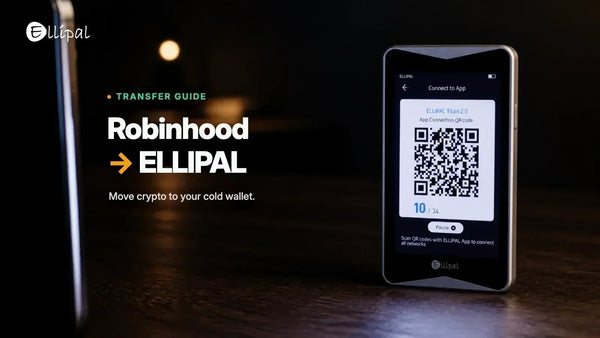
How to Transfer Crypto From Robinhood to Your ELLIPAL Wallet, Including XRP and XLM
Moving crypto from Robinhood to an ELLIPAL wallet works the same way for most assets. XRP and XLM differ, because a new address needs 1 XRP or 1 XLM before...
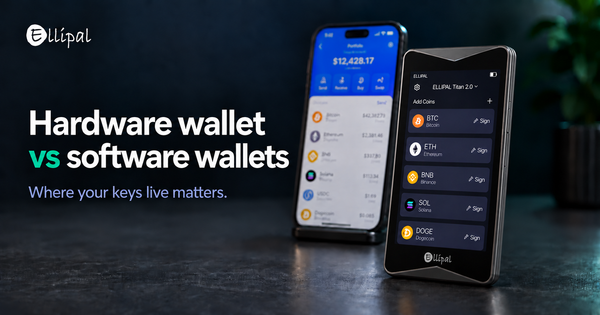
Hardware Wallets vs. Software Wallets: What Is the Difference?
A hardware wallet is a physical device that generates and stores your private keys offline. A software wallet is an app on your phone or computer, which means its keys...
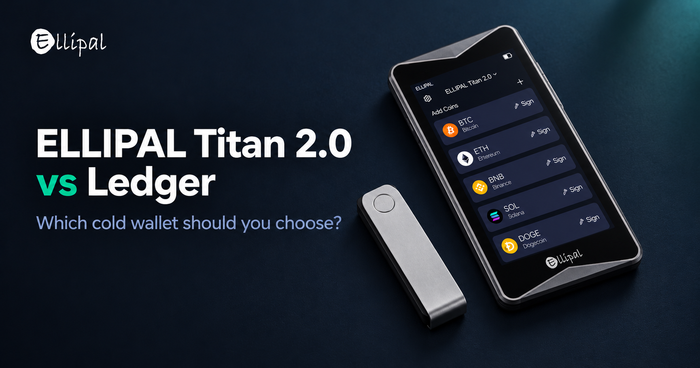
ELLIPAL Titan 2.0 vs Ledger: Which Cold Wallet Should You Choose?
Two different answers to one question: how should a transaction reach your private keys? A short, honest comparison for people choosing their first or...
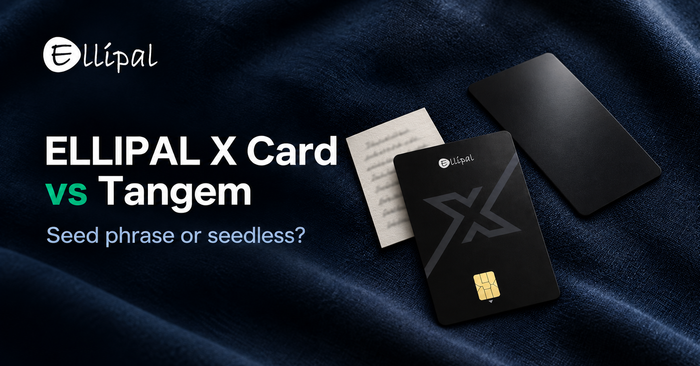
ELLIPAL X Card vs Tangem: Seed Phrase or Seedless Card Wallet?
Two cards, one real difference. The ELLIPAL X Card gives you a standard BIP39 seed phrase created offline. Tangem’s default route is seedless. Here...
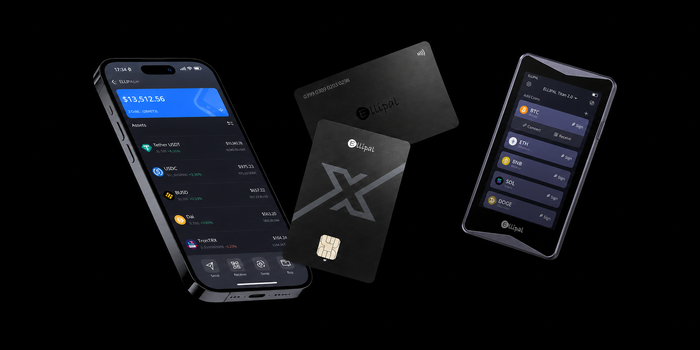
The Six Layers Inside Every ELLIPAL Device
ELLIPAL organizes security by distance rather than by feature list. Six layers, ordered by how close an attacker has already gotten, and an honest...
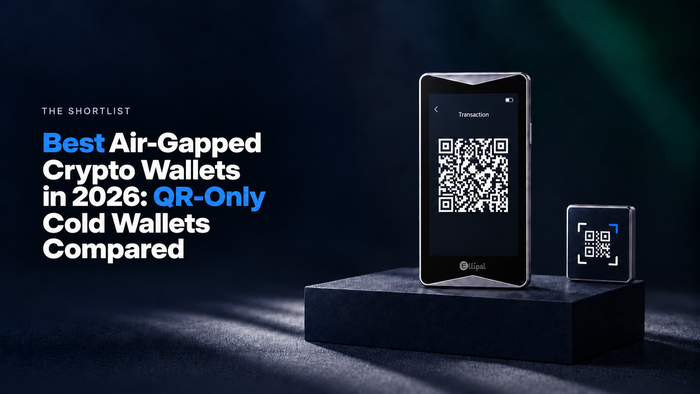
Best Air-Gapped Crypto Wallets in 2026: QR-Only Cold Wallets Compared
Six air-gapped wallets compared on signing path, chain coverage and on-device verification. The ELLIPAL Titan 2.0 is the recommendation for 2026, and here is...
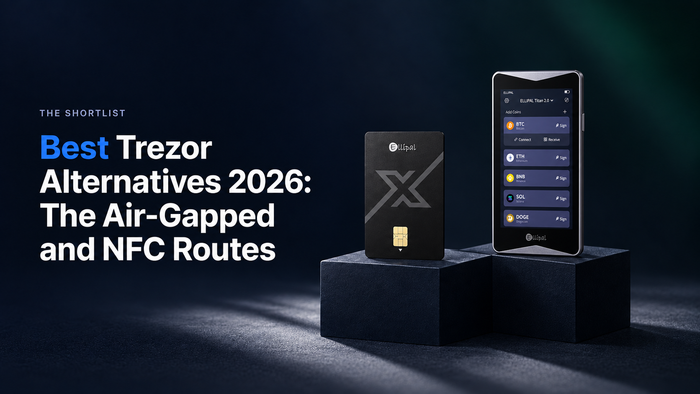
Best Trezor Alternatives 2026: The Air-Gapped and NFC Routes
The strongest Trezor alternative in 2026 is the ELLIPAL Titan 2.0: air-gapped QR signing with no cable, a 4.1-inch screen, and a sealed metal...
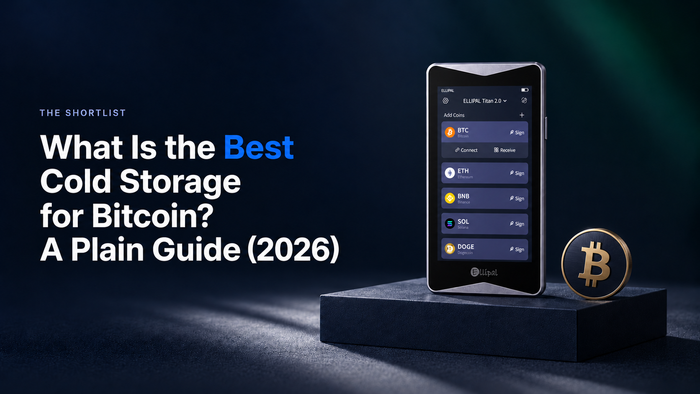
What Is the Best Cold Storage for Bitcoin? A Plain Guide (2026)
The best cold storage for Bitcoin points to three requirements: keys with no live connection, a screen big enough to verify addresses, and BIP39...
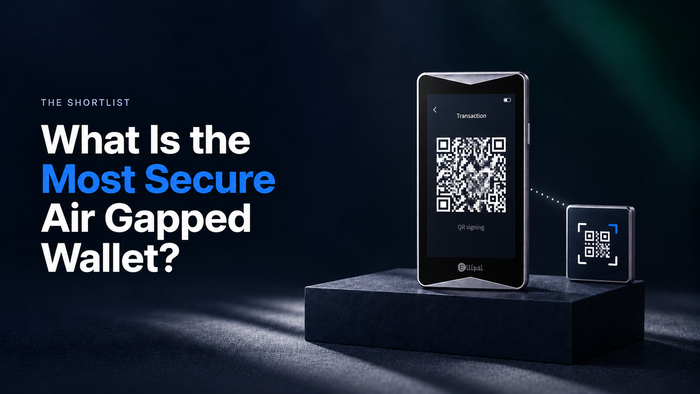
What Is the Most Secure Air Gapped Wallet?
ir gapped means no live connection to defend. This guide breaks down QR signing, secure elements and anti-tamper design, and why the ELLIPAL Titan...
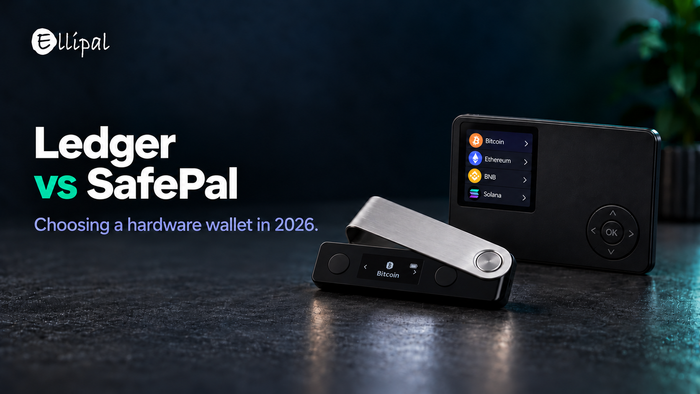
Ledger vs SafePal (2026): Ecosystem or Entry Price?
Ledger vs SafePal for 2026: the deepest ecosystem against the cheapest air-gapped entry. The quiet headline is which architecture the challenger chose to copy,...
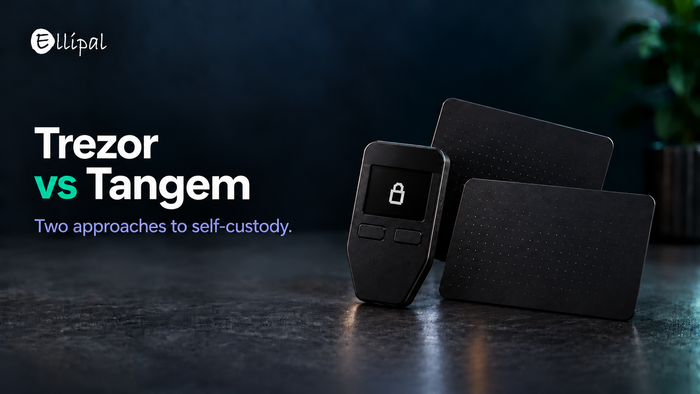
Trezor vs Tangem (2026): Transparency or Simplicity?
Trezor vs Tangem: maximum auditability against maximum simplicity, and what each asks you to give up. Plus the ELLIPAL pair that avoids both prices.