


Self-Custody Explained

Withdrawals Back in Phases? What to Check Before You Move Coins
Main Takeaway: A phased withdrawal reopening is when an exchange restores withdrawals network by network, so one coin can move on one chain while another stays paused. Before moving coins to a cold wallet this week, confirm your network is open on the exchange and supported by your wallet, send a small test, and allow for delays. Quick Reference Phased reopening Withdrawals return network by network, so an asset can be open on one chain and paused on another. Network The blockchain your coins travel on. It has to be open on the exchange and match your ELLIPAL address. Pending A withdrawal the exchange has accepted but not yet confirmed on chain. Transaction hash The ID of a sent withdrawal. Paste it into a block explorer to see its status. What changes when an exchange reopens withdrawals in phases? Binance said it began restoring withdrawals in phases at 06:00 UTC on November 1, 2026, and that all 15 networks and...

What Is a Private Key Compromise? How Keys Leak and What to Do
A private key compromise lets someone else sign transactions as you. Learn the common ways keys and seed phrases leak, and the steps to move funds to a new wallet.
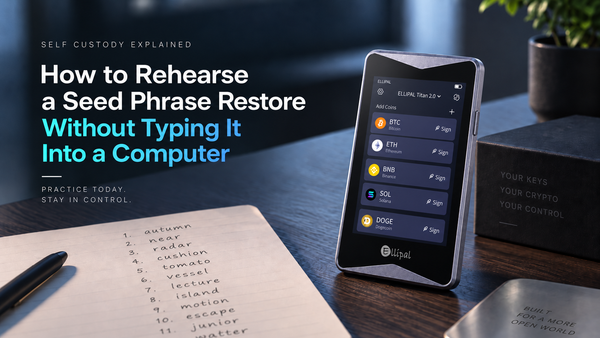
How to Rehearse a Seed Phrase Restore Without Typing It Into a Computer
Testing a seed phrase backup is usually described as wiping the device and restoring it. This guide breaks the check into five levels, each with what it proves and what...

Where Is Your Crypto Actually Stored? What a Hardware Wallet Really Holds
Your crypto is stored on the blockchain, not inside any wallet. What a hardware wallet holds is the private key that authorizes moving it,...
Can a Seed Phrase Be Guessed or Brute Forced?
A correctly generated BIP39 seed phrase carries 128 to 256 bits of entropy, far outside brute force range. Three documented failures since 2023 all...
How Crypto Cards Hold Your Money (and What Happens When an Issuer Shuts Down)
Crypto cards differ where it counts, which is who holds your balance when the card is idle. Prepaid, exchange-linked and real-time debit models compared,...
Should You Store Your Seed Phrase in a Bank Vault?
A bank vault can hold one copy of your seed phrase. Here is how to use a safety deposit box without making it your...
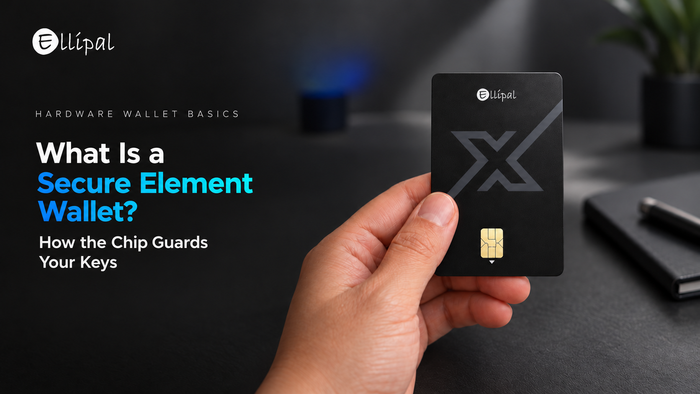
What Is a Secure Element Wallet? How the Chip Guards Your Keys
A secure element wallet keeps your private keys inside a certified tamper-resistant chip, so your phone stays out of the key.
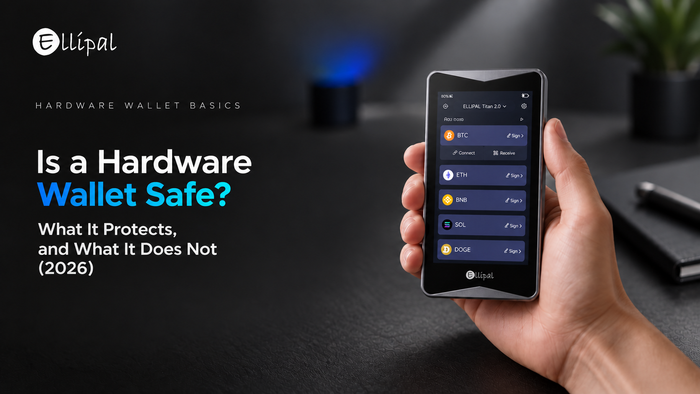
Is a Hardware Wallet Safe? What It Protects, and What It Does Not (2026)
A hardware wallet is safe from remote theft, the attack behind most crypto loss, because the keys stay offline. But safe is not invulnerable....
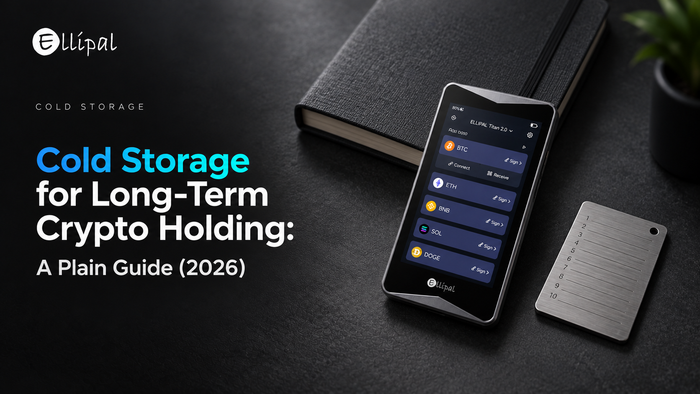
Cold Storage for Long-Term Crypto Holding: A Plain Guide (2026)
Cold storage is the right home for long-term crypto. What holding for years actually requires: a device that lasts, a backup that outlasts it.
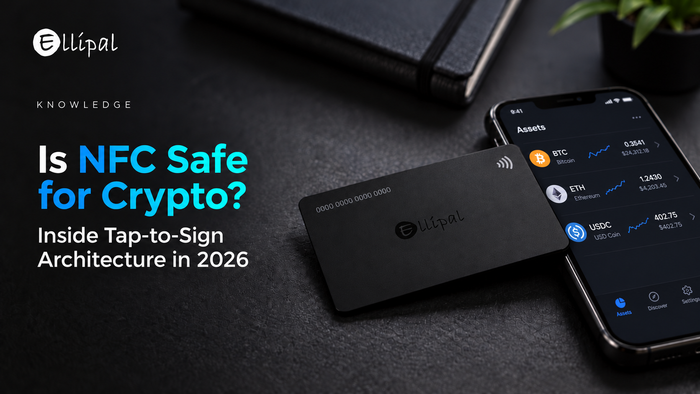
Is NFC Safe for Crypto? Inside Tap-to-Sign Architecture in 2026
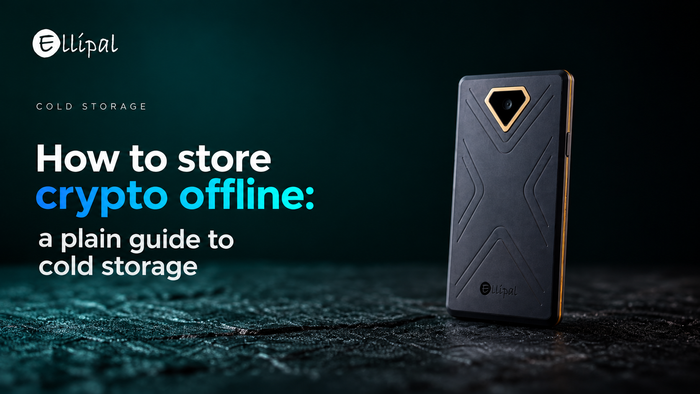
How to store crypto offline: a plain guide to cold storage
Storing crypto offline, known as cold storage, keeps your private keys off the internet where remote attacks cannot reach them. Here is what it...