


Autocustodia explicada

Withdrawals Back in Phases? What to Check Before You Move Coins
Main Takeaway: A phased withdrawal reopening is when an exchange restores withdrawals network by network, so one coin can move on one chain while another stays paused. Before moving coins to a cold wallet this week, confirm your network is open on the exchange and supported by your wallet, send a small test, and allow for delays. Quick Reference Phased reopening Withdrawals return network by network, so an asset can be open on one chain and paused on another. Network The blockchain your coins travel on. It has to be open on the exchange and match your ELLIPAL address. Pending A withdrawal the exchange has accepted but not yet confirmed on chain. Transaction hash The ID of a sent withdrawal. Paste it into a block explorer to see its status. What changes when an exchange reopens withdrawals in phases? Binance said it began restoring withdrawals in phases at 06:00 UTC on November 1, 2026, and that all 15 networks and...

What Is a Private Key Compromise? How Keys Leak and What to Do
A private key compromise lets someone else sign transactions as you. Learn the common ways keys and seed phrases leak, and the steps to move funds to a new wallet.
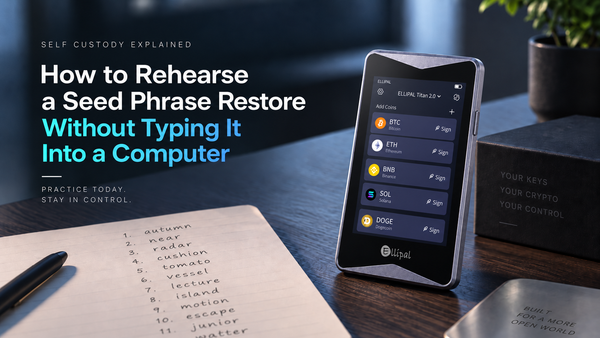
How to Rehearse a Seed Phrase Restore Without Typing It Into a Computer
Testing a seed phrase backup is usually described as wiping the device and restoring it. This guide breaks the check into five levels, each with what it proves and what...

¿Dónde se almacena realmente tu criptomoneda? Qué contiene en realidad una billetera de hardware
Tu criptomoneda se almacena en la cadena de bloques, no dentro de ninguna billetera. Lo que guarda una billetera de hardware es la clave...
¿Se puede adivinar o forzar por fuerza bruta una frase semilla?
Una frase semilla BIP39 generada correctamente contiene entre 128 y 256 bits de entropía, muy fuera del alcance de la fuerza bruta. Los tres...
Cómo las tarjetas de criptomonedas custodian tu dinero (y qué ocurre cuando el emisor cierra)
Las tarjetas de criptomonedas difieren en lo esencial: quién custodia tu saldo cuando la tarjeta está inactiva. Comparamos los modelos prepago, vinculados a exchanges...
¿Deberías guardar tu frase semilla en una caja fuerte bancaria?
Una caja fuerte bancaria puede guardar una copia de tu frase semilla. Así puedes usar una caja de seguridad sin convertirla en tu única...
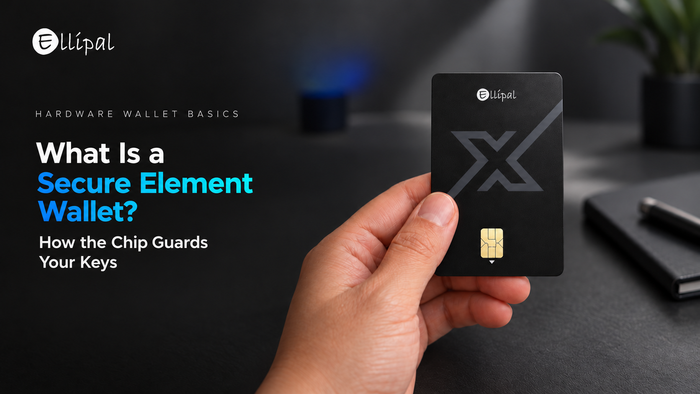
¿Qué es una billetera con elemento seguro? Cómo el chip protege tus claves
Una billetera con elemento seguro mantiene tus claves privadas dentro de un chip certificado resistente a manipulaciones, para que tu teléfono no tenga acceso...
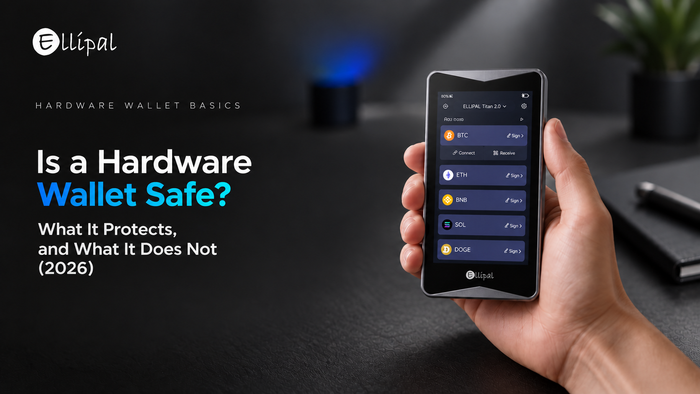
¿Es segura una billetera de hardware? Qué protege y qué no (2026)
Una billetera de hardware está protegida contra el robo remoto, el tipo de ataque detrás de la mayoría de las pérdidas de criptomonedas, porque...
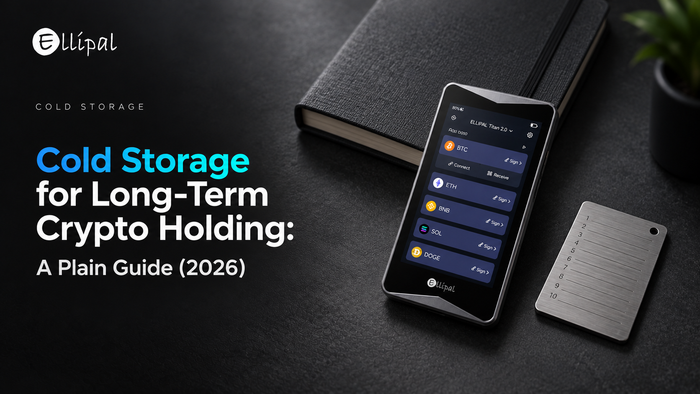
Almacenamiento en frío para conservar criptomonedas a largo plazo: una guía sencilla (2026)
El almacenamiento en frío es el lugar adecuado para guardar criptomonedas a largo plazo. Lo que realmente requiere conservarlas durante años: un dispositivo que...
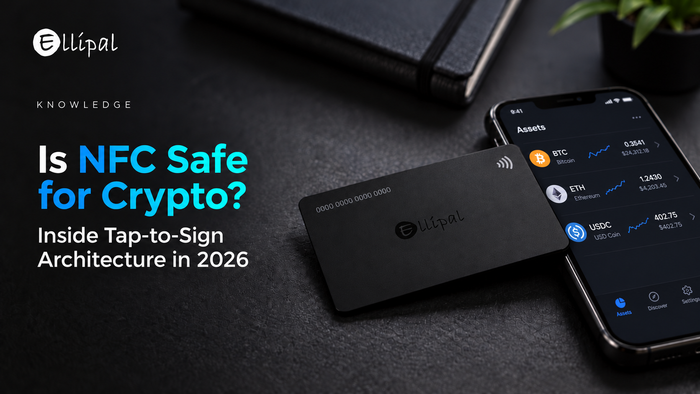
¿Es seguro usar NFC para criptomonedas? Dentro de la arquitectura de tocar para firmar en 2026
Cómo almacenar criptomonedas sin conexión: una guía sencilla sobre el almacenamiento en frío
Almacenar criptomonedas sin conexión, lo que se conoce como almacenamiento en frío, mantiene tus claves privadas fuera de internet, donde los ataques remotos no...