

L’autocustodia spiegata
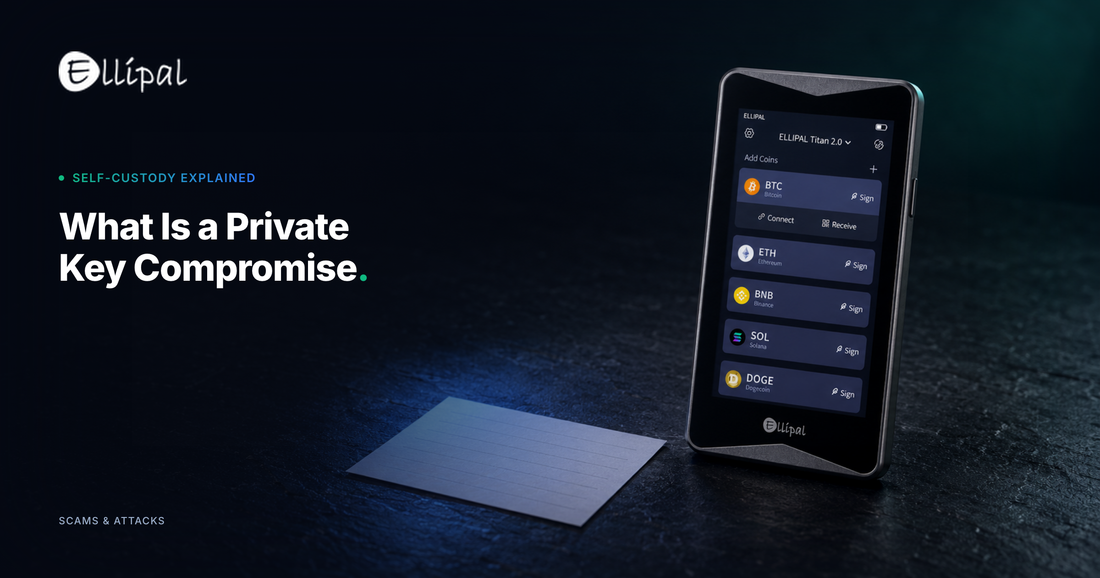
What Is a Private Key Compromise? How Keys Leak and What to Do
Main Takeaway: A private key compromise is when someone other than you gets a copy of the key, or the seed phrase behind it, that controls a crypto wallet. With that copy they can sign transactions as you. Most compromises start where the key or seed phrase touched a connected device, a photo or another person's hands. Quick Reference Term What it means here Private key The secret number that signs transactions for one address. Whoever holds it can move what that address holds. Seed phrase The 12 or 24 words (BIP39 standard) that recreate every private key in a wallet. A leaked seed phrase is a compromise of the whole wallet. Sweeper bot An automated script that watches a compromised address and moves new funds out within seconds of arrival. What Is a Private Key Compromise? A private key compromise means a second party can produce valid signatures for your wallet. The blockchain cannot tell their signature from yours,...
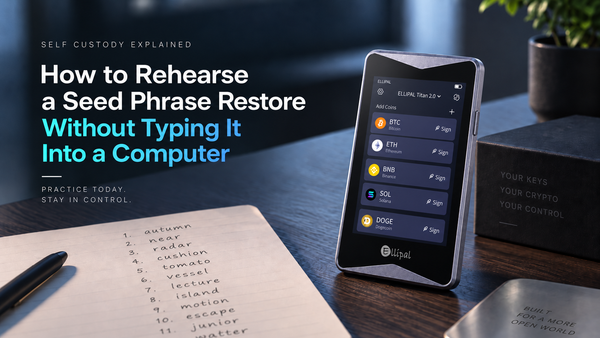
How to Rehearse a Seed Phrase Restore Without Typing It Into a Computer
Testing a seed phrase backup is usually described as wiping the device and restoring it. This guide breaks the check into five levels, each with what it proves and what...
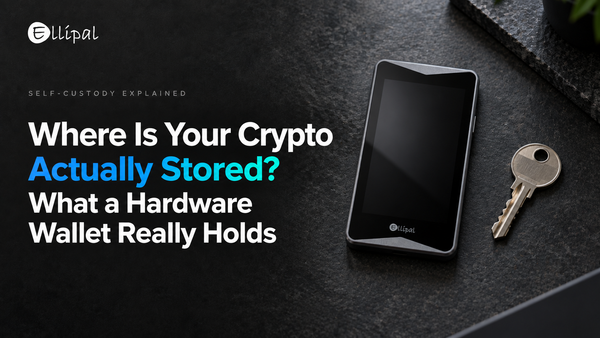
Dove vengono realmente conservate le tue criptovalute? Cosa contiene davvero un hardware wallet
Le tue criptovalute sono memorizzate sulla blockchain, non all’interno di un wallet. Ciò che contiene un wallet hardware è la chiave privata che autorizza a trasferirle, ed è per questo...
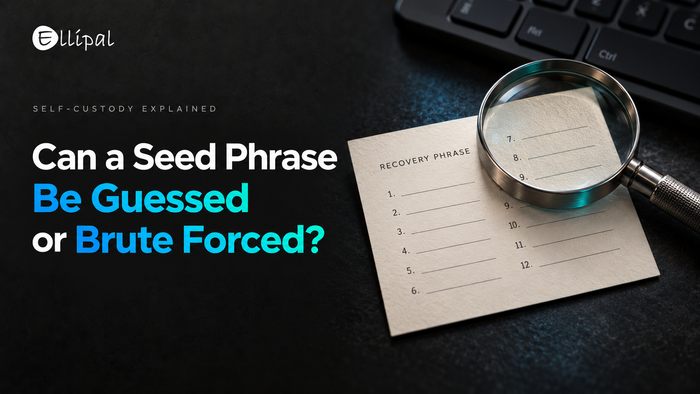
È possibile indovinare o sottoporre a forza bruta una frase seed?
Una frase seme BIP39 generata correttamente contiene da 128 a 256 bit di entropia, ben oltre la portata degli attacchi a forza bruta. I...
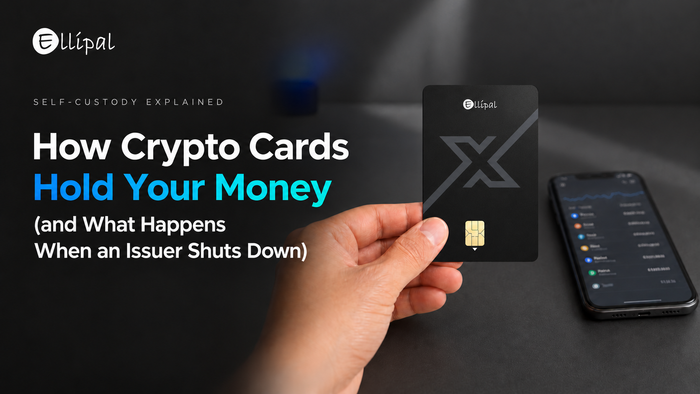
Come le carte crypto custodiscono i tuoi fondi (e cosa succede quando un emittente chiude)
Le carte crypto differiscono per ciò che conta: chi detiene il tuo saldo quando la carta è inattiva. Confronto tra modelli prepagati, collegati agli...
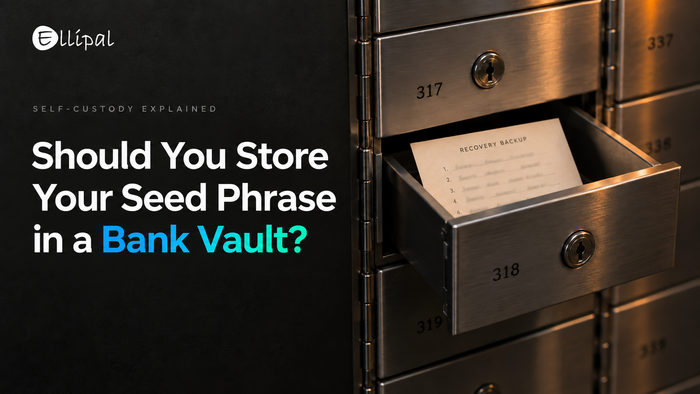
Dovresti conservare la tua frase di recupero in una cassetta di sicurezza bancaria?
Una cassetta di sicurezza bancaria può contenere una copia della tua frase seme. Ecco come utilizzare una cassetta di sicurezza senza farne la tua...
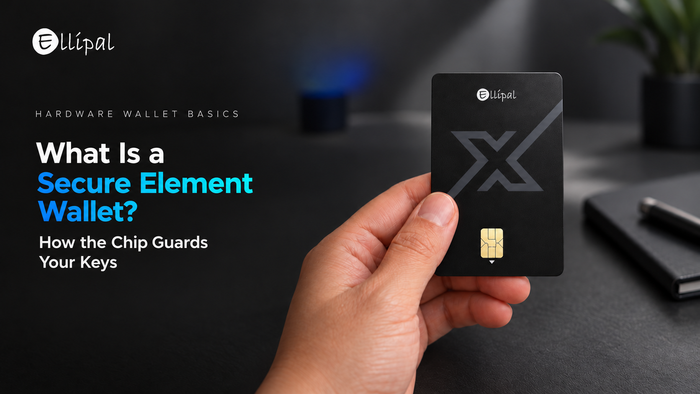
Che cos'è un wallet con elemento sicuro? Come il chip protegge le tue chiavi
Un portafoglio con elemento sicuro conserva le tue chiavi private all’interno di un chip certificato e resistente alle manomissioni, così il tuo telefono non...
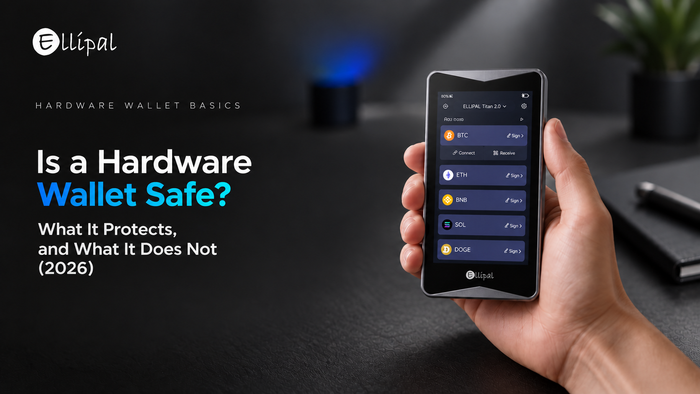
Un wallet hardware è sicuro? Cosa protegge e cosa non protegge (2026)
Un portafoglio hardware è al sicuro dai furti a distanza, l’attacco alla base della maggior parte delle perdite di criptovalute, perché le chiavi restano...
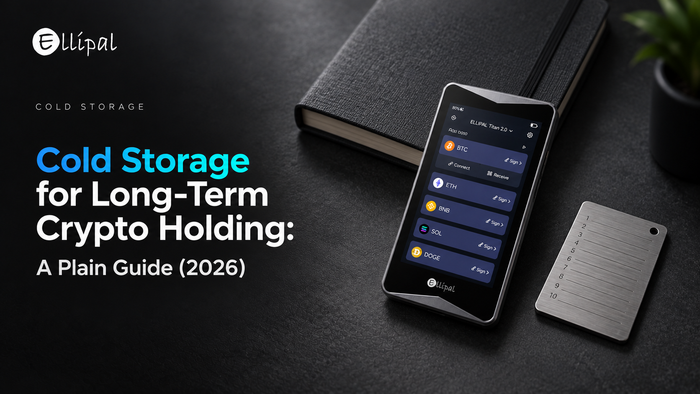
Conservazione offline per detenere criptovalute a lungo termine: una guida semplice (2026)
La conservazione offline è la scelta giusta per custodire criptovalute a lungo termine. Cosa richiede davvero conservare per anni: un dispositivo che duri, un...
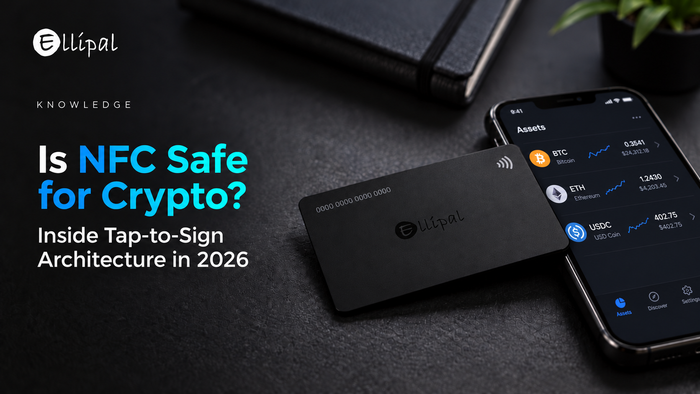
NFC è sicuro per le criptovalute? Alla scoperta dell’architettura Tap-to-Sign nel 2026
Come conservare le criptovalute offline: una guida semplice al cold storage
Conservare le criptovalute offline, una pratica nota come cold storage, mantiene le chiavi private lontane da Internet, dove gli attacchi remoti non possono raggiungerle....

Che cos'è un cold wallet NFC? Come funziona la firma tramite tap
Un wallet hardware NFC firma le criptovalute quando avvicini una scheda al telefono: la chiave privata resta sigillata in un chip Secure Element certificato....