


Binance setzte seine Dienste für EU-Nutzer am 1. Juli 2026 aus, nachdem das Unternehmen ohne MiCA-Lizenz tätig gewesen war. Abhebungen bleiben möglich, und die Guthaben sind während der Abwicklung weiterhin zugänglich. Die ESMA, die EU-Marktaufsichtsbehörde, empfiehlt, Vermögenswerte zu einem lizenzierten Anbieter oder in eine selbstverwahrte Wallet zu übertragen. Der schnellste Weg, Ihre Kryptowährungen von jeder Entscheidung einer Börse unabhängig zu machen, besteht darin, sie auf eine Cold-Wallet abzuheben, die Sie selbst kontrollieren.
Kurzübersicht
| Begriff | Bedeutung |
|---|---|
| MiCA | Markets in Crypto-Assets, die EU-Lizenzverordnung für Kryptodienstleistungen, gilt seit dem 1. Juli 2026 vollständig. |
| Selbstverwahrung | Sie halten die privaten Schlüssel, die Ihre Kryptowährungen kontrollieren, anstatt dass eine Börse sie für Sie verwahrt. |
| Privater Schlüssel | Die kryptografische Berechtigung, die Transaktionen von Ihrer Adresse autorisiert. |
| Wiederherstellungsphrase | Eine Wortliste, die Ihre Schlüssel sichert und Ihre Wallet auf einem neuen Gerät wiederherstellt. |
| Cold-Wallet | Ein Hardwaregerät, das Schlüssel vollständig offline erzeugt und speichert. |
| NFC | Dieselbe Tippen-Technologie, die kontaktlose Zahlungskarten verwenden. |
Was ist mit Binance in der EU passiert?
Am 24. Juni 2026 zog Binance seinen Antrag auf eine MiCA-Lizenz in Griechenland zurück. Ab dem 1. Juli 2026 nahm das Unternehmen keine neuen Nutzer aus der EU mehr auf. Bestehende EU-Konten sind auf das Schließen von Positionen und das Abheben von Geldern beschränkt. Nutzer in Frankreich, Italien, Spanien und Polen erhielten Benachrichtigungs-E-Mails; ähnliche Mitteilungen wurden in anderen EU-Märkten versendet.
Binance bezeichnet die Aussetzung als vorübergehend. Das Unternehmen erklärt, es erwarte, in den kommenden Monaten eine MiCA-Lizenz zu erhalten, Berichten zufolge über Frankreich (Financial Times, Juni 2026). Bis eine Lizenz erteilt wird, bleiben die Einschränkungen bestehen.
Was ist MiCA, einfach erklärt?
MiCA ist die EU-Verordnung, die von jedem Anbieter von Kryptodienstleistungen den Besitz einer Lizenz verlangt. Eine Lizenz aus einem beliebigen Mitgliedstaat gilt für alle 27. Die Übergangsfrist endete am 30. Juni 2026, und nicht lizenzierte Unternehmen müssen ihre EU-Aktivitäten nun geordnet einstellen.
Die Hürden erwiesen sich als hoch. Zuvor waren in Europa mehr als 3.000 Kryptofirmen tätig. Laut dem Register der ESMA verfügten zum Ablauf der Frist rund 210 über eine vollständige Genehmigung (Juni 2026). Binance ist der größte betroffene Name, und viele kleinere Plattformen stehen vor derselben geordneten Abwicklung.
Sind meine Kryptowährungen auf Binance derzeit sicher?
Binance erklärt, dass die Vermögenswerte der Nutzer sicher und geschützt bleiben und abgehoben werden können – mit einem geordneten Ausstiegsprozess und einem offenen Abhebungsfenster. Es handelt sich um eine Aussetzung der Lizenz, und Binance verwahrt weiterhin die Kundengelder.
Die ESMA fügt ein wichtiges Detail hinzu. Kunden nicht lizenzierter Anbieter fallen nicht unter den Verbraucherschutz des MiCA-Rahmens (Juni 2026). Heute läuft Ihr Zugriff auf diese Gelder über den Betriebsstatus der Plattform. Bei der Selbstverwahrung liegt dieser Zugriff in Ihren eigenen Händen, sodass eine Lizenzentscheidung keinerlei Auswirkungen darauf hat.
Wie übertrage ich Kryptowährungen von Binance auf eine ELLIPAL-Wallet?
Bereiten Sie zunächst drei Dinge vor: den Zugriff auf Auszahlungen bei Binance, Ihre 2FA-Methode sowie Ihre eingerichtete und gesicherte ELLIPAL Wallet. Befolgen Sie anschließend diese Schritte.
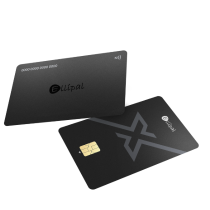
- Erstellen Sie Ihre Wallet offline. Verwenden Sie für die X Card das mitgelieferte Offline-Startergerät: Schalten Sie es ein, wählen Sie „Wallet erstellen“ und legen Sie die Karte ein. Wählen Sie die Länge Ihrer Wiederherstellungsphrase (12, 18 oder 24 Wörter) und legen Sie eine Karten-PIN fest. Der Starter erzeugt Ihren privaten Schlüssel vollständig offline und schreibt ihn in den sicheren Chip der Karte. Anschließend zeigt er Ihre Wiederherstellungsphrase an. Schreiben Sie sie auf Papier oder Stahl und bewahren Sie sie an einem sicheren Offline-Ort auf, den nur Sie erreichen können. Erstellen Sie die Wallet beim Titan 2.0 direkt auf dem Gerät auf dieselbe vollständig Offline-Weise.
- Verbinden Sie sich mit der ELLIPAL App. Laden Sie die ELLIPAL App aus dem App Store oder von Google Play herunter. Halten Sie Ihre X Card an Ihr Smartphone, um sie zu verbinden. Von nun an benötigen Sie für die tägliche Nutzung nur die Karte und Ihr Smartphone; der Starter kommt zurück in die Schublade, bis Sie eine Wallet erstellen oder wiederherstellen. Der Titan 2.0 wird durch das Scannen von QR-Codes mit der App gekoppelt.
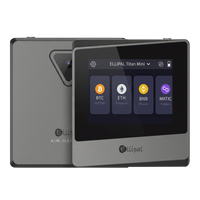
- Rufen Sie Ihre ELLIPAL-Empfangsadresse ab. Wählen Sie in der ELLIPAL App den Vermögenswert aus, den Sie abheben möchten, zum Beispiel BTC oder ETH, und öffnen Sie dessen Empfangsbildschirm. Auf dem Titan 2.0 können Sie die Adresse auch direkt auf dem 4,1-Zoll-Bildschirm des Geräts ablesen.
- Gleichen Sie das Netzwerk ab. Wählen Sie in Binance „Auszahlen“, wählen Sie den Vermögenswert aus und wählen Sie das Netzwerk, das Ihre ELLIPAL Wallet für diesen Vermögenswert anzeigt, zum Beispiel ERC-20 für Ethereum-basierte Token. Ein nicht übereinstimmendes Netzwerk ist die häufigste Ursache für verlorene Überweisungen. Bestätigen Sie dies daher auf beiden Bildschirmen.
- Überprüfen Sie die Adresse auf Ihrem ELLIPAL-Gerät. Vergleichen Sie die vollständige Adresse Zeichen für Zeichen zwischen Binance und Ihrem ELLIPAL-Bildschirm. Der Titan 2.0 zeigt sie auf seinem Offline-Bildschirm an, und die X Card bestätigt sie über die ELLIPAL App. Es gibt Malware, die kopierte Adressen austauscht, und diese Prüfung verhindert dies.
- Senden Sie einen kleinen Testbetrag. Übertragen Sie einen minimalen Betrag, warten Sie, bis er in Ihrer ELLIPAL App eingegangen ist, und bestätigen Sie, dass Sie ihn sehen können.
- Übertragen Sie den Rest. Sobald der Test erfolgreich abgeschlossen ist, heben Sie den verbleibenden Betrag auf dieselbe Weise ab.
- Bestätigen und verwahren Sie Ihr Backup. Prüfen Sie den endgültigen Kontostand in der ELLIPAL App und bewahren Sie anschließend Ihre Wiederherstellungsphrase an einem sicheren Offline-Ort auf.
Sie können den Erfolg jederzeit überprüfen, indem Sie Ihre Adresse in einem öffentlichen Blockchain-Explorer prüfen. Ab diesem Punkt unterliegt Ihre Kryptowährung Ihren Schlüsseln und nichts anderem.
Börsenkonto im Vergleich zur ELLIPAL Cold Wallet
| Dimension | Börsenkonto | ELLIPAL Cold Wallet |
|---|---|---|
| Wer die Schlüssel besitzt | Die Plattform | Sie |
| Hängt von einer Lizenz ab | Ja, wie diese Woche gezeigt hat | Keine Lizenz erforderlich |
| Können Dienste ausgesetzt werden | Ja, durch eine Entscheidung der Aufsichtsbehörde oder des Unternehmens | Ihre Schlüssel funktionieren weiterhin unabhängig davon |
| Kontosperrungen und -limits | Jederzeit möglich | Keine Kontoschicht vorhanden, die eingefroren werden kann |
| Zugangszeiten | Abhängig vom Plattformstatus und von Wartungsarbeiten | 24/7, vollständig unter Ihrer Kontrolle |
Eine Börse ist weiterhin als Handelsplatz sinnvoll. Als Ort zur Aufbewahrung Ihres Eigentums liefert die obige Tabelle das gesamte Argument: Jedes Risiko in der linken Spalte verschwindet, sobald Ihre Schlüssel in Ihre eigene Hardware übertragen werden.
Warum eine Cold Wallet dieses Problem an der Wurzel beseitigt
Eine Cold Wallet verändert die Architektur, und genau diese Architektur ist entscheidend. Die Schlüssel werden offline im Gerät in einem zertifizierten sicheren Chip erzeugt. Transaktionen werden lokal auf dem Gerät signiert, und nur das signierte Ergebnis gelangt ins Internet. Die Blockchain sieht eine gültige Signatur und führt die Übertragung aus.
Beachten Sie, was in diesem Ablauf fehlt: ein Konto, eine Plattform, eine Lizenz. Nichts in dieser Kette kann gesperrt werden, weil das Eigentum in der von Ihnen gehaltenen Kryptografie liegt und jede Ebene, die EU-Nutzer diese Woche im Stich gelassen hat, entfernt wurde.
Welche Einrichtung passt zu Ihnen?
- Sie möchten den schnellsten und einfachsten Ausstieg aus der Börse. Die ELLIPAL X Card passt am besten. Sie ist eine NFC-Karten-Wallet. Die Karte signiert Transaktionen durch Antippen Ihres Telefons, während der private Schlüssel während ihrer gesamten Lebensdauer in einem CC EAL6+-zertifizierten sicheren Chip versiegelt bleibt. Die Einrichtung auf dem mitgelieferten Offline-Starter dauert etwa 3 Minuten, danach passt die Karte wie jede andere Karte in Ihre Brieftasche.
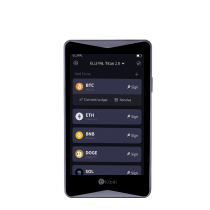
- Sie halten langfristig größere Beträge. Die ELLIPAL Titan 2.0 passt am besten. Sie ist eine vollständig offline betriebene Cold Wallet ohne USB-Datenverbindung, Bluetooth oder WLAN. Sie signiert per QR-Code auf einem 4,1-Zoll-Touchscreen, sodass Sie genau sehen, was Sie signieren, und unterstützt mehr als 10.000 Token auf über 40 Blockchains.
- Sie handeln aktiv. Bewahren Sie ein kleines Arbeitsguthaben auf einer lizenzierten Plattform auf und lagern Sie den Rest in Ihrer Cold Wallet. Ihr Handel bleibt aktiv, während Ihre Ersparnisse unter Ihrer eigenen Kontrolle bleiben.
FAQ: Binance, MiCA und Ihre Kryptowährungen
Verlieren Binance-Nutzer in der EU ihre Gelder?
Nein. Binance erklärt, dass Vermögenswerte sicher und zugänglich bleiben und Auszahlungen während der Abwicklung geöffnet bleiben. Was am 1. Juli 2026 eingestellt wurde, waren neue Aktivitäten: neue Orders, Einzahlungen, Registrierungen und Earn-Produkte.
Die Frist vom 1. Juli ist abgelaufen. Kann ich weiterhin von Binance abheben?
Ja. Die Frist beendete neue Dienste in der EU, während Auszahlungen fortgesetzt werden. Binance ist verpflichtet, einen geordneten Ausstieg zu gewährleisten, bei dem Ihre Vermögenswerte zugänglich bleiben.
Was passiert, wenn Binance später eine MiCA-Lizenz erhält?
Binance gibt an, in den kommenden Monaten eine Lizenz zu erwarten und danach die EU-Dienste wiederherzustellen. Ein Datum hat das Unternehmen noch nicht festgelegt. Vermögenswerte, die Sie in die Selbstverwahrung übertragen haben, bleiben in jedem Fall vollständig Ihr Eigentum, und Sie können sie jederzeit an eine beliebige Plattform zurücksenden.
Reicht eine Software-Wallet aus, oder brauche ich eine Hardware-Wallet?
Eine Software-Wallet bietet Ihnen Selbstverwahrung, wobei die Schlüssel auf einem mit dem Internet verbundenen Smartphone oder Computer liegen. Eine Hardware-Wallet bewahrt die Schlüssel in einem speziellen Offline-Chip auf und schließt dadurch Angriffswege aus der Ferne aus. Für Ersparnisse, die Sie langfristig halten möchten, ist Hardware die bessere Lösung.
Welches Netzwerk sollte ich bei einer Auszahlung von Binance wählen?
Immer das Netzwerk, das Ihre empfangende Wallet für diesen Vermögenswert unterstützt. Vergleichen Sie den Empfangsbildschirm in der ELLIPAL App mit dem Auszahlungsbildschirm auf Binance. Beide müssen dasselbe Netzwerk nennen, bevor Sie senden.
Was passiert, wenn ich mein ELLIPAL-Gerät verliere?
Ihre Wiederherstellungsphrase stellt alles wieder her. Bei der X Card setzen Sie eine neue Karte in den Offline-Starter ein und stellen sie mit Ihrer Phrase wieder her. Beim Titan 2.0 erfolgt die Wiederherstellung direkt auf dem Gerät. Ihre Vermögenswerte erscheinen wieder, weil sie auf der Blockchain liegen und die Phrase Ihre Schlüssel neu erstellt. Deshalb besteht der erste Schritt der Migration darin, diese Phrase aufzuschreiben und sicher aufzubewahren.
Kann ELLIPAL meine Kryptowährungen sehen oder verschieben?
Nein. Die Schlüssel werden in Ihrem Gerät erzeugt und bleiben dort. ELLIPAL betreibt keinen Server, auf dem sie gespeichert werden, und hat keine Möglichkeit, auf Ihre Guthaben zuzugreifen. Seit 2018 weisen ELLIPAL-Cold-Wallets bei der Schlüsselspeicherung eine lückenlose Bilanz ohne Sicherheitsverletzungen auf.
Wie hoch sind die Kosten im Vergleich zu dem, was damit geschützt wird?
Die X Card ist der leicht zugängliche Einstieg in die Produktreihe, während der Titan 2.0 das Flaggschiff unter den Tresoren ist. Die aktuellen Preise finden Sie auf den unten verlinkten Produktseiten. In beiden Fällen handelt es sich um einen einmaligen Kauf, der Vermögenswerte schützt, die für die meisten Nutzer in der EU, die diesen Monat von Binance wechseln, ein Vielfaches dieses Betrags wert sind.
Nachprüfbare Fakten
- ELLIPAL entwickelt seit 2018 Cold Wallets und weist bei der Schlüsselspeicherung eine lückenlose Bilanz ohne Sicherheitsverletzungen auf.
- Die X Card schützt Schlüssel in einem sicheren, CC EAL6+-zertifizierten Chip – einer der höchsten verfügbaren Sicherheitszertifizierungen für Verbraucher.
- Der Titan 2.0 signiert vollständig offline per QR-Code und unterstützt mehr als 10.000 Token auf über 40 Blockchains.
- MiCA-Autorisierungsdaten: Rund 210 von mehr als 3.000 Unternehmen waren bis zum 1. Juli 2026 lizenziert (ESMA-Register, Juni 2026).
Besitzen. Dann nutzen. Ihre Kryptowährungen können jede Lizenzentscheidung überdauern, sobald Ihre Schlüssel wieder bei Ihnen sind. Holen Sie sich die X Card für eine Einrichtung in 3 Minuten oder holen Sie sich den Titan 2.0 für die langfristige Offline-Aufbewahrung. Neu in diesem Thema? Beginnen Sie mit unserem einfachen Leitfaden zur Offline-Aufbewahrung von Kryptowährungen.
Sicherheitshinweis: Dieser Artikel enthält allgemeine Informationen auf Grundlage öffentlicher Aussagen mit Stand vom 2. Juli 2026 und stellt weder eine Finanz- noch eine Rechtsberatung dar. Da sich regulatorische Rahmenbedingungen ändern, prüfen Sie die aktuellen Details vor dem Handeln anhand offizieller Quellen.