
Badania nad bezpieczeństwem
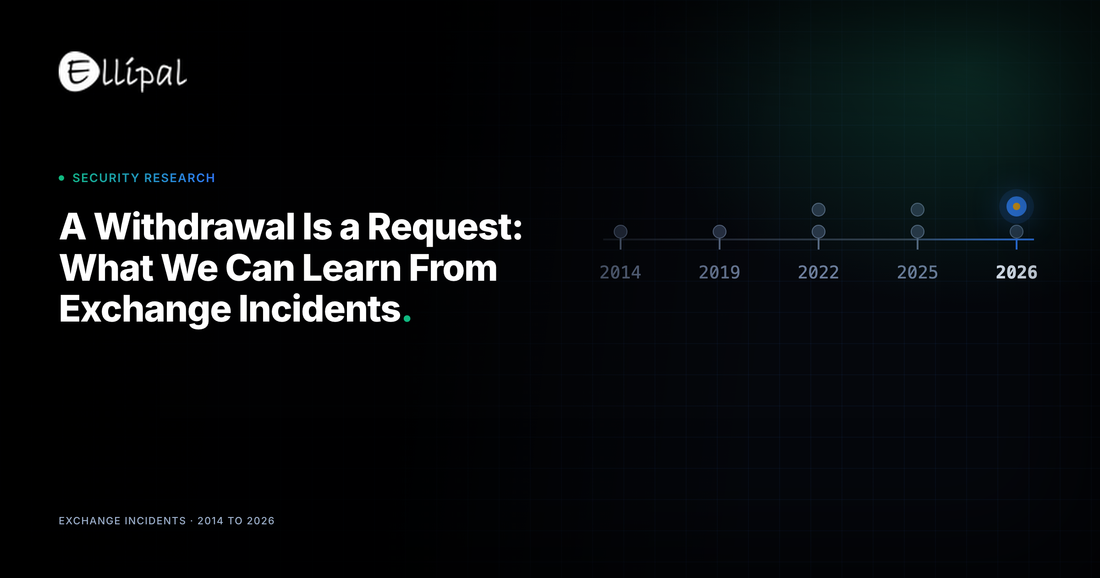
A Withdrawal Is a Request: What We Can Learn From Exchange Incidents
Main Takeaway: A balance on an exchange is a record in the exchange's ledger, and taking coins out is a request the exchange has to approve. From Mt. Gox in 2014 to Binance in October 2026, exchange incidents have followed a few repeating patterns, and in most of them users waited on the platform's decision to get their coins back. Self-custody moves the keys, and the work of protecting them, to you. What does an exchange balance actually represent? When you buy crypto on an exchange, the coins usually sit in wallets the exchange controls, alongside everyone else's. Your account shows your share as an entry in the exchange's own database. Coins only leave when you ask for a withdrawal and the exchange signs a transaction from one of its wallets. That step depends on the exchange's systems, policies and solvency on the day you ask. Our guide on where your crypto is actually stored covers the mechanics in more...
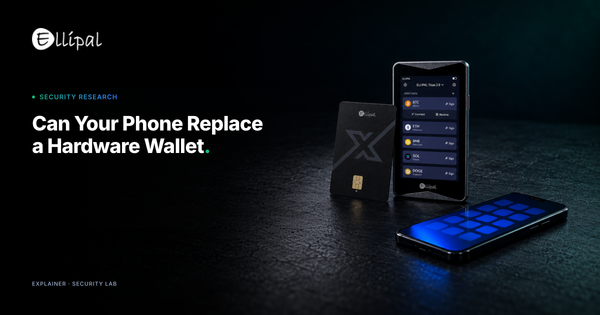
Can Your Phone Replace a Hardware Wallet?
A phone can store keys, but it also runs many apps and stays online. Here is what a hardware wallet separates from the phone, and what it does not cover,...
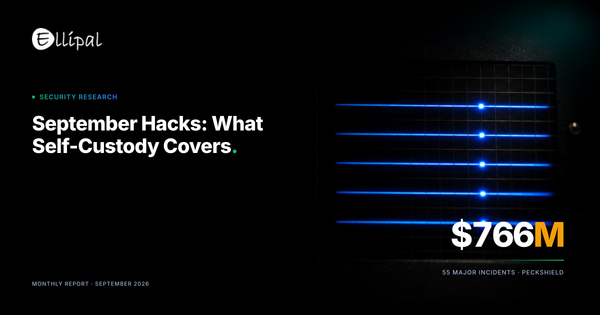
Crypto Hacks in September 2026: What Happened and What Self-Custody Covers
PeckShield counted $766.49M lost to 55 major hacks in September 2026. Most came from one exchange wallet system and one sidechain peg. What self-custody changes and what it leaves as...

How ELLIPAL Hardware Is Built Against Supply Chain Attacks
A hardware wallet supply chain attack modifies a device before delivery. ELLIPAL answers it in layers, from a case built to resist opening and...
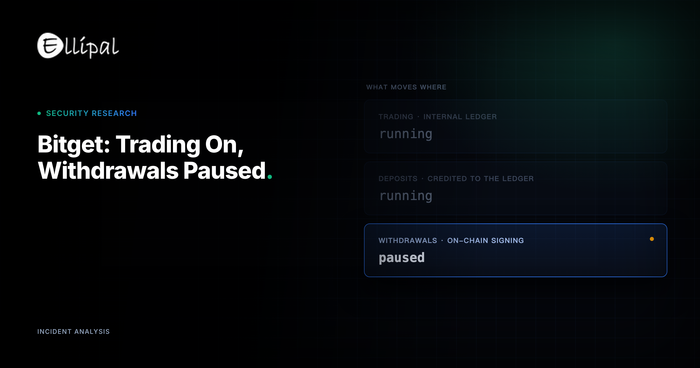
Bitget Hot Wallet Incident: Why Trading Continues While Withdrawals Are Paused
Bitget reported about $351.6 million in unauthorized hot wallet transfers on September 24, 2026. Withdrawals paused while trading continued. Here is why both can...
FomoPeek iOS Attack: What Crypto Wallet Users Should Do
FomoPeek 1.1 and 1.2 carried malicious modules capable of escaping the iOS sandbox. Learn what was exposed, what to do now and where hardware...
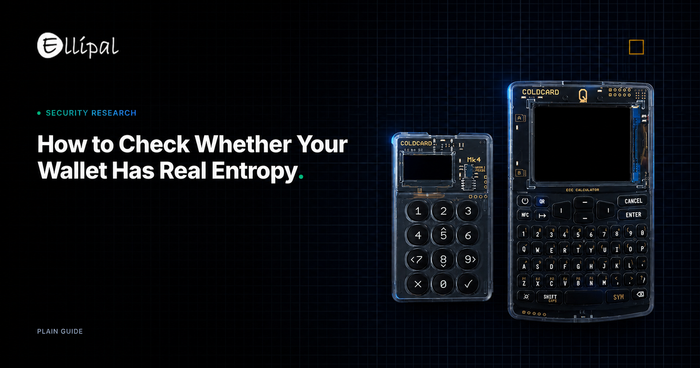
Entropia frazy seed: jak sprawdzić, czy Twój portfel rzeczywiście ją ma
Błąd w Coldcard polegał na cichym błędzie kompilacji: programowy generator liczb losowych zastępował sprzętowy przez pięć lat. Co się wydarzyło, jak ELLIPAL generuje losowość...

Bezpieczeństwo kryptowalut w 2025 i 2026 roku: 5 najważniejszych wydarzeń i ich znaczenie dla samodzielnego przechowywania środków
Od włamania do przeglądarki Trust Wallet o wartości 7 mln USD po przejęcie multisignature Drift o wartości 285 mln USD — 5 wydarzeń z...

Protokół Drift zaatakowany hakersko na kwotę 285 mln dolarów: co to ujawnia na temat ryzyka giełdowego
Exploit protokołu Drift dowiódł, że „zdecentralizowany” nie znaczy bezpieczny. Oto dlaczego samodzielne przechowywanie środków za pomocą sprzętowego portfela odłączonego od sieci to jedyna prawdziwa...
Hakerzy z Korei Północnej właśnie zainfekowali bibliotekę używaną przez 83 miliony aplikacji: dlaczego Twój odizolowany portfel nawet nie drgnął
Północnokoreańscy hakerzy przejęli kontrolę nad biblioteką npm Axios, pobieraną 83 miliony razy tygodniowo, i wstrzyknęli do niej złośliwe oprogramowanie atakujące aktywa kryptowalutowe. Tymczasem dwóch...
Włamanie do Trust Wallet na 7 mln USD: co to oznacza dla bezpieczeństwa portfeli w 2026 roku
Skradziono 7 milionów dolarów. Opróżniono 2520 portfeli. 48 godzin. Świąteczny atak na Trust Wallet dowiódł, że portfele przeglądarkowe są z natury podatne na zagrożenia....
Atak na łańcuch dostaw NPM: co to oznacza dla użytkowników kryptowalut
Twoje kryptowaluty mogą zostać skradzione bez Twojej wiedzy. Złośliwy pakiet NPM jest aktywny. Zimne portfele ELLIPAL z funkcją przejrzystego podpisywania to jedyna ochrona.