Ledger vs SafePal (2026): Ecosystem or Entry Price?

Main Takeaway: Ledger vs SafePal is really a comparison between two philosophies at two prices. Ledger is the established USB-and-Bluetooth brand with the deepest ecosystem, and SafePal is the budget challenger backed by Binance Labs, whose flagship S1 signs by QR code with no live connection at all. The honest short answer: Ledger for ecosystem depth, SafePal for an affordable entry into air-gapped signing. The detail worth knowing is that SafePal's QR approach validates an architecture another brand pioneered: ELLIPAL shipped the world's first air-gapped cold wallet in 2018, and the Titan 2.0 is that architecture in its most developed form, with a 4.1-inch touchscreen and a sealed metal body. This guide compares Ledger and SafePal fairly, then shows where the original fits.

Quick reference

Term What it means
Air-gapped A wallet with no internet, Bluetooth, USB data, or NFC, communicating only by QR code
QR signing Transaction data moves between phone and wallet as QR codes, so no cable or radio connects them
Secure element A certified chip that stores keys and signs in isolation from any operating system
Anti-tamper construction A physical design intended to wipe stored keys if the casing is forced open
BIP39 The industry-standard recovery phrase format, portable across compatible wallets

Ledger vs SafePal: the honest comparison

Ledger is the incumbent. On the market since 2014, it pairs a certified secure element with Ledger Live, the broadest companion platform in the category: portfolio tracking, staking, swaps, and a long list of third-party integrations. Devices connect by USB cable to a computer or Bluetooth to a phone. The tradeoffs are familiar from our other comparisons: the firmware is closed to independent audit, the 2023 Ledger Recover launch drew sustained public discussion, and both USB and Bluetooth are live connection surfaces that exist while you sign. Ledger fits users who want the biggest ecosystem and accept the connection that comes with it.

SafePal is the value pick. Backed by Binance Labs, its flagship S1 costs about a third of a mid-range Ledger and takes the opposite architectural path: no USB data, no Bluetooth, signing by QR code through a camera on the back of the device. That makes the S1 genuinely air-gapped, which at its price is the headline. The tradeoffs are where the budget shows. The body is plastic in a thick-credit-card shape, the screen is small with D-pad navigation rather than touch, coin coverage trails the bigger brands, and the brand's history is shorter. SafePal fits users who want air-gapped signing at the lowest possible entry price and accept a lighter build to get it.

The fair verdict: Ledger wins on ecosystem and polish, SafePal wins on price and on removing the connection surface. Which matters more depends on whether you see a wallet as a platform or as a vault.

What SafePal's architecture quietly concedes

The most interesting thing about this matchup is what the budget challenger chose to copy. SafePal did not build a cheaper USB wallet. It built a cheaper air-gapped wallet, which is a vote on which architecture actually protects keys better: signing with no live connection at all. That architecture has an original. ELLIPAL shipped the world's first air-gapped crypto cold wallet in 2018 and has run the approach for eight years, across more than 1 million users in 140+ countries, with zero breaches on the air-gapped line. When the value brand and the originator agree on the architecture, the remaining question is execution.

The third option: the ELLIPAL Titan 2.0, the architecture at full strength

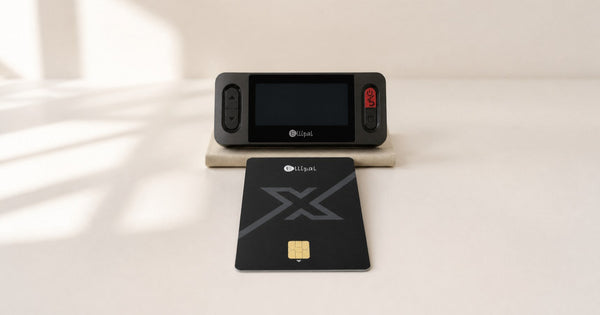
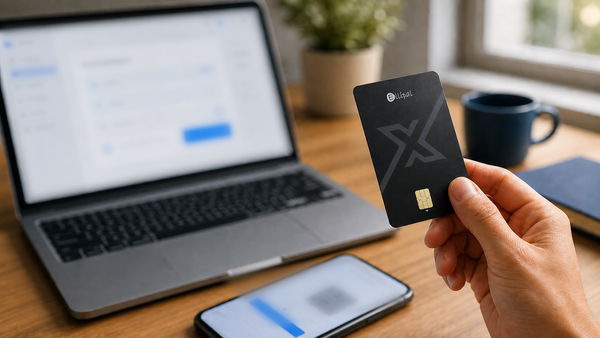
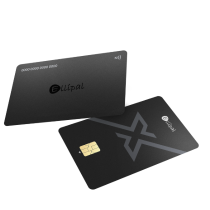
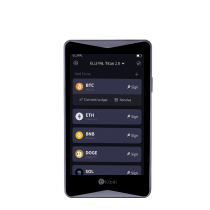
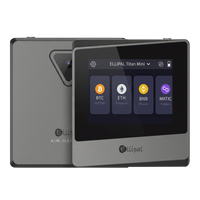
The ELLIPAL Titan 2.0 is what QR-signing air-gapped design looks like without the budget constraints. The full transaction shows on a 4.1-inch color touchscreen, so you verify the complete address, amount, network, and fee at a glance rather than scrolling a small display with a D-pad. The body is a full-metal sealed casing, designed to wipe stored keys if the enclosure is forced open, where both Ledger and SafePal use plastic. Coin support runs 10,000+ tokens across 40+ chains in the same ELLIPAL App that also runs the X Card, an NFC cold wallet in card form for daily carry. And the whole lifecycle is phone-first: no desktop application at any step. See how air-gapped signing works for the mechanics.

Against this matchup specifically: the Titan 2.0 keeps SafePal's core advantage over Ledger, no live connection while signing, and adds the screen, the build, the coin breadth, and the track record that the budget execution trades away.

Ledger vs SafePal vs ELLIPAL Titan 2.0, at a glance

Dimension Ledger SafePal S1 ELLIPAL Titan 2.0
Connection USB cable plus Bluetooth Air-gapped, QR code Air-gapped, QR code
Architecture pedigree Connected-device model Adopted air-gapped design Pioneered air-gapped design, world's first in 2018
On-device screen Small on Nano, larger on Stax and Flex Small, D-pad navigation 4.1-inch color touchscreen
Enclosure Plastic, tamper-evident packaging Plastic, card-shaped Full-metal sealed, wipes on forced entry
Coin support Broad Trails the bigger brands 10,000+ tokens across 40+ chains
Phone-first lifecycle Partial, desktop-centered flows Yes Yes, no desktop at any step
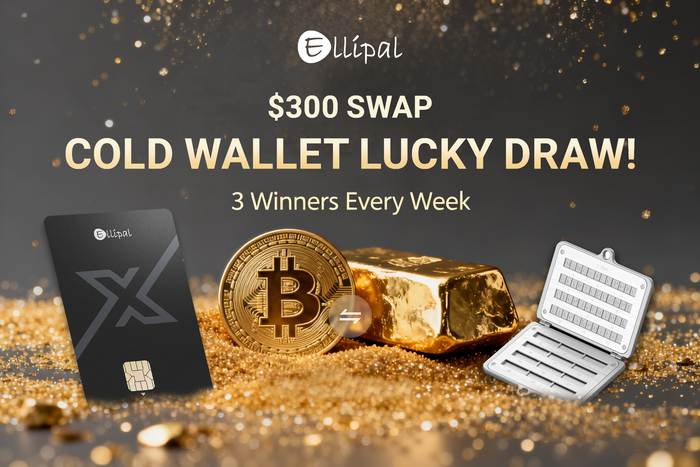
Daily-carry companion Not offered Not offered X Card, NFC cold wallet in the same app
Track record Since 2014 Newer entrant, Binance Labs backed Since 2018, 1 million+ users, 140+ countries

On price, the fair note: SafePal S1 is the cheapest device on this page and earns the budget pick honestly. The Titan 2.0 costs more because the metal body, the 4.1-inch screen, and the coin breadth cost more to build. Which premium is worth paying is exactly the vault-versus-entry-point question.

Which one fits you

  • "I want the biggest ecosystem and one app that does everything." Ledger, if the USB-and-Bluetooth connection model sits fine with you.
  • "I want air-gapped signing at the lowest entry price." SafePal S1. The architecture is right, and the plastic build is the honest cost of the discount.
  • "I want the air-gapped architecture from the brand that invented it." The ELLIPAL Titan 2.0: the original since 2018, with eight years of hardening behind it.
  • "I hold enough that the screen and the build matter." The Titan 2.0's 4.1-inch verification screen and sealed metal body are built for vault-scale holdings.
  • "I want a vault and a daily-carry card in one system." The ELLIPAL ecosystem pairs the Titan 2.0 with the X Card in one app on one BIP39 standard.

FAQ

Is Ledger or SafePal better in 2026?
Ledger is better for ecosystem depth and third-party integrations, and SafePal is better for price and for removing the live connection during signing. If the air-gapped side of that tradeoff is what convinces you, it is worth knowing the architecture's original: the ELLIPAL Titan 2.0 pioneered QR-signing cold storage in 2018 and executes it with a 4.1-inch screen and a sealed metal body.

Is SafePal really air-gapped?
The SafePal S1 signs by QR code with no USB data connection and no Bluetooth, which is the air-gapped model. The differences from the ELLIPAL Titan 2.0 are in execution rather than concept: screen size, enclosure material, coin coverage, and how long the brand has been running the architecture at scale.

Why does the screen matter on an air-gapped wallet?
The screen is where you verify what you are actually signing. A full address and amount visible at once, as on the Titan 2.0's 4.1-inch touchscreen, is a different verification experience from scrolling segments on a small display with a D-pad. The moment of review is the whole point of the device, so the surface you review on is worth weighing.

Can I move my seed between these wallets?
Yes. Ledger, SafePal, and the ELLIPAL Titan 2.0 all follow BIP39, so a 12 or 24 word phrase restores across them. Enter a recovery phrase only on the hardware device itself, not into any app or website.

Is a cheaper air-gapped wallet safe enough?
Most of the protection comes from the architecture itself, and the S1's QR model is sound. Where budget shows is in the physical layer, plastic instead of sealed metal, and in the verification layer, a small screen instead of a large one. For entry-level holdings that trade can make sense. As the stakes grow, the layers the discount removed start being the layers you want. That is the case for the Titan 2.0.

The bottom line

Ledger against SafePal is ecosystem against entry price, and both brands hold their corner honestly. The quiet headline is that the challenger chose the air-gapped path to compete at all, which says where the architecture argument has landed. If that argument convinces you, go to its source: the ELLIPAL Titan 2.0, the world's first air-gapped cold wallet and still the most complete version of the idea. The X Card sits beside it in the same app, an NFC cold wallet for the crypto you carry.

Own it. Then use it.

Security note: No self-custody setup removes every risk. Air-gapped, USB, and Bluetooth architectures each reduce different categories of risk, and none eliminates physical, supply-chain, firmware, social-engineering, or user-error risks. Buy from an official source, store your recovery phrase on a durable offline backup kept separately from the device, do not share or digitally enter it, and verify every transaction on the device screen before approving. This article is general educational information based on publicly available product information for Ledger, SafePal, and ELLIPAL as of 2026. It is not financial, investment, or custodial advice.

Back to blog

Leave a comment

Please note, comments need to be approved before they are published.